Buy dachsanierung.eu ?
We are moving the project
dachsanierung.eu .
Are you interested in purchasing the domain
dachsanierung.eu ?
domain@kv-gmbh.de · 0541-91531010
Buy dachsanierung.eu ?
Is it possible to consider depreciation as maintenance expenses?
Depreciation and maintenance expenses are two distinct concepts in accounting. Depreciation refers to the allocation of the cost of an asset over its useful life, while maintenance expenses are costs incurred to keep an asset in good working condition. While both depreciation and maintenance expenses impact the overall value of an asset, they serve different purposes and are accounted for differently in financial statements. Therefore, it is not accurate to consider depreciation as maintenance expenses. **
What is depreciation?
Depreciation is the decrease in value of an asset over time due to wear and tear, obsolescence, or other factors. It is a method used in accounting to allocate the cost of an asset over its useful life. By recognizing depreciation expenses, a company can accurately reflect the decrease in value of its assets on its financial statements. Depreciation is important for businesses to properly account for the decrease in value of their assets and to accurately report their financial performance. **


Similar search terms for Depreciation
Top-Angebote
Products related to Depreciation:
-
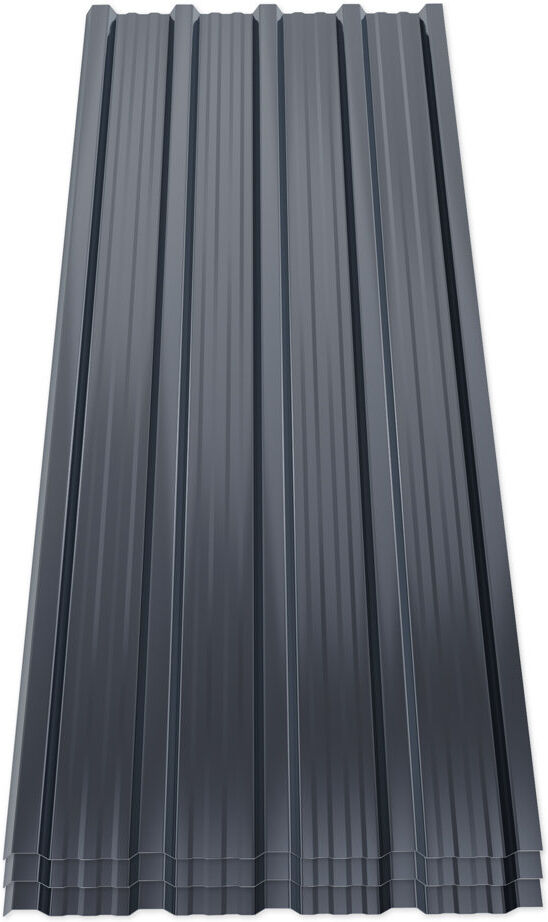
Symple Stuff Metal Roofing KitThis pack of 12 corrugated roof sheets is ideal for all domestic, agricultural, and industrial buildings. The roof sheets are made from rust-proof galvanized metal and have a high load capacity which is perfect for general roofing and walling applications. These roof sheets are 115cm x 45cm in size and 0.3mm in thickness. They are suitable for sheds, workshops, greenhouses, barns, carports, huts, kennels, garages, etc. Note: Please wear gloves when using this product to prevent scratching the fingers. Symple Stuff42,99 £*Shipping: 4,99 £Secure redirect to the provider
-
Dakota Fields Metal Roofing KitAn economical and robust solution for any application, such as sheds, awnings, greenhouses, or garage walls and cladding! The lightweight single-layer roof sheets have no pre-drilled holes, offering flexibility to punch holes for installation according to specific needs, enabling super-fast and easy installation. Dakota Fields59,99 £*Shipping: 0,00 £Secure redirect to the provider
-
Segle Gentle Volcanic Exfoliator Cellular Renovation 50mLA skin-care product for dull skin. From the first application, the gentle volcanic exfoliant improves the appearance of the skin by removing dead cells from the epidermis and excess oil while stimulating cell renewal. This mechanical peeling also brings luminosity to dull or lackluster skin. The skin becomes soft, radiant, and prepared for subsequent treatments.12,17 £*Shipping: 5,28 £Secure redirect to the provider



-
Why is the calculated depreciation lower than the accounting depreciation?
The calculated depreciation is often lower than the accounting depreciation because it is based on the asset's useful life and salvage value, while accounting depreciation may include additional factors such as tax regulations or management's discretion. Calculated depreciation follows a systematic method like straight-line or reducing balance, whereas accounting depreciation can be influenced by various accounting policies or methods chosen by the company. Additionally, accounting depreciation may consider impairment charges or revaluation of assets, leading to differences in the calculated and accounting depreciation figures. **
-
What is the difference between calculated depreciation and accounting depreciation?
Calculated depreciation refers to the estimated reduction in the value of an asset over time, typically based on its useful life and salvage value. Accounting depreciation, on the other hand, is the systematic allocation of the cost of an asset to its useful life in the company's financial statements, following specific accounting rules and standards. While calculated depreciation is more of an estimation, accounting depreciation is a formal recognition of the reduction in the asset's value on the company's books. **
-
What are accumulated depreciation?
Accumulated depreciation is the total amount of depreciation expense that has been recorded for a fixed asset since it was acquired. It represents the total decrease in the value of the asset over time due to wear and tear, obsolescence, or other factors. Accumulated depreciation is a contra-asset account, meaning it is subtracted from the original cost of the asset to determine its net book value on the balance sheet. It is important for accurately reflecting the true value of the asset and for calculating depreciation expense for future periods. **
-
How to calculate the depreciation of a car through straight-line depreciation?
To calculate the depreciation of a car through straight-line depreciation, you first need to determine the initial cost of the car, including any additional costs like taxes or registration fees. Next, estimate the salvage value of the car at the end of its useful life. Then, subtract the salvage value from the initial cost to find the depreciable cost. Finally, divide the depreciable cost by the number of years in the car's useful life to determine the annual depreciation expense. **


What is depreciation and what is meant by a declining balance depreciation?
Depreciation is the gradual decrease in the value of an asset over time due to wear and tear, obsolescence, or other factors. Declining balance depreciation is a method of calculating depreciation where the asset's value decreases by a fixed percentage each year. This method typically results in higher depreciation expenses in the earlier years of an asset's life and lower expenses in later years. **
How do you calculate the depreciation of a car through straight-line depreciation?
To calculate the depreciation of a car through straight-line depreciation, you would first determine the initial cost of the car. Then, you would subtract the car's estimated salvage value (the amount you expect to sell the car for at the end of its useful life) from the initial cost to find the depreciable cost. Next, you would divide the depreciable cost by the number of years in the car's useful life to find the annual depreciation expense. This annual depreciation expense would be the same for each year of the car's useful life, hence the term "straight-line" depreciation. **
Top-Angebote
Products related to Depreciation:
-
Labrains Renovation Sculptor Cream 50mLA skin-care product for wrinkles and signs of ageing. This product for all types of aging skin. A rich and delicately scented cream has been developed to deeply moisturize and provide high protection. This c ream not only safeguards the skin and its microbiota but also enhances its natural defense system, minimizing the effects of daily and climate-induced stress.71,66 £*Shipping: 5,28 £Secure redirect to the provider
-
Symple Stuff Metal Roofing KitThis pack of 12 corrugated roof sheets is ideal for all domestic, agricultural, and industrial buildings. The roof sheets are made from rust-proof galvanized metal and have a high load capacity which is perfect for general roofing and walling applications. These roof sheets are 115cm x 45cm in size and 0.3mm in thickness. They are suitable for sheds, workshops, greenhouses, barns, carports, huts, kennels, garages, etc. Note: Please wear gloves when using this product to prevent scratching the fingers. Symple Stuff42,99 £*Shipping: 4,99 £Secure redirect to the provider
-
Dakota Fields Metal Roofing KitAn economical and robust solution for any application, such as sheds, awnings, greenhouses, or garage walls and cladding! The lightweight single-layer roof sheets have no pre-drilled holes, offering flexibility to punch holes for installation according to specific needs, enabling super-fast and easy installation. Dakota Fields59,99 £*Shipping: 0,00 £Secure redirect to the provider
-
Is it possible to consider depreciation as maintenance expenses?
Depreciation and maintenance expenses are two distinct concepts in accounting. Depreciation refers to the allocation of the cost of an asset over its useful life, while maintenance expenses are costs incurred to keep an asset in good working condition. While both depreciation and maintenance expenses impact the overall value of an asset, they serve different purposes and are accounted for differently in financial statements. Therefore, it is not accurate to consider depreciation as maintenance expenses. **
-
What is depreciation?
Depreciation is the decrease in value of an asset over time due to wear and tear, obsolescence, or other factors. It is a method used in accounting to allocate the cost of an asset over its useful life. By recognizing depreciation expenses, a company can accurately reflect the decrease in value of its assets on its financial statements. Depreciation is important for businesses to properly account for the decrease in value of their assets and to accurately report their financial performance. **
-
Why is the calculated depreciation lower than the accounting depreciation?
The calculated depreciation is often lower than the accounting depreciation because it is based on the asset's useful life and salvage value, while accounting depreciation may include additional factors such as tax regulations or management's discretion. Calculated depreciation follows a systematic method like straight-line or reducing balance, whereas accounting depreciation can be influenced by various accounting policies or methods chosen by the company. Additionally, accounting depreciation may consider impairment charges or revaluation of assets, leading to differences in the calculated and accounting depreciation figures. **
-
What is the difference between calculated depreciation and accounting depreciation?
Calculated depreciation refers to the estimated reduction in the value of an asset over time, typically based on its useful life and salvage value. Accounting depreciation, on the other hand, is the systematic allocation of the cost of an asset to its useful life in the company's financial statements, following specific accounting rules and standards. While calculated depreciation is more of an estimation, accounting depreciation is a formal recognition of the reduction in the asset's value on the company's books. **
Similar search terms for Depreciation
-
Segle Gentle Volcanic Exfoliator Cellular Renovation 50mLA skin-care product for dull skin. From the first application, the gentle volcanic exfoliant improves the appearance of the skin by removing dead cells from the epidermis and excess oil while stimulating cell renewal. This mechanical peeling also brings luminosity to dull or lackluster skin. The skin becomes soft, radiant, and prepared for subsequent treatments.12,17 £*Shipping: 5,28 £Secure redirect to the provider
-
Arena Renovation Pc Steam CD Key GlobalArena Renovation: A Game of Restoration Arena Renovation is a video game where you take on the role of a one-person renovation crew. Your mission? To restore dilapidated sports facilities to their former glory. Restoration Tasks : Engage in a variety of tasks such as painting walls, renovating floors, replacing broken chairs, and repairing electrical wiring. Customization : Fill each arena with hundreds of different items, allowing for a high degree of customization. Skill and Tools : Use different skills and tools to assess and meet the needs of each facility. Challenges : The game offers many challenges that require creativity, manual dexterity, and budget planning.6,45 £*Shipping: 0,00 £Secure redirect to the provider
-
Sievert 2960 Roofing Gas Blow Torch BurnerSievert 2960 Roofing Gas Blow Torch Burner - Heavy-Duty Power Burner The Sievert 2960 Roofing Gas Blow Torch Burner is a heavy-duty, lightweight power burner designed for extreme performance in challenging conditions. With an exceptionally strong and windproof flame, this burner is perfect for demanding applications like drying, bitumen laying, field torching, and preheating. Constructed from high-quality stainless steel, the Sievert 2960 is built to withstand the toughest environments, ensuring durability and efficiency for professional use. Pair it with the Sievert Pro neck tubes and 3488 handle for gas-saving pilot flame functionality and instant trigger operation between pilot and main flames. Key Features:43,56 £*Shipping: 5,00 £Secure redirect to the provider
-
What are accumulated depreciation?
Accumulated depreciation is the total amount of depreciation expense that has been recorded for a fixed asset since it was acquired. It represents the total decrease in the value of the asset over time due to wear and tear, obsolescence, or other factors. Accumulated depreciation is a contra-asset account, meaning it is subtracted from the original cost of the asset to determine its net book value on the balance sheet. It is important for accurately reflecting the true value of the asset and for calculating depreciation expense for future periods. **
-
How to calculate the depreciation of a car through straight-line depreciation?
To calculate the depreciation of a car through straight-line depreciation, you first need to determine the initial cost of the car, including any additional costs like taxes or registration fees. Next, estimate the salvage value of the car at the end of its useful life. Then, subtract the salvage value from the initial cost to find the depreciable cost. Finally, divide the depreciable cost by the number of years in the car's useful life to determine the annual depreciation expense. **
-
What is depreciation and what is meant by a declining balance depreciation?
Depreciation is the gradual decrease in the value of an asset over time due to wear and tear, obsolescence, or other factors. Declining balance depreciation is a method of calculating depreciation where the asset's value decreases by a fixed percentage each year. This method typically results in higher depreciation expenses in the earlier years of an asset's life and lower expenses in later years. **
-
How do you calculate the depreciation of a car through straight-line depreciation?
To calculate the depreciation of a car through straight-line depreciation, you would first determine the initial cost of the car. Then, you would subtract the car's estimated salvage value (the amount you expect to sell the car for at the end of its useful life) from the initial cost to find the depreciable cost. Next, you would divide the depreciable cost by the number of years in the car's useful life to find the annual depreciation expense. This annual depreciation expense would be the same for each year of the car's useful life, hence the term "straight-line" depreciation. **
* All prices are inclusive of VAT and, if applicable, plus shipping costs. The offer information is based on the details provided by the respective shop and is updated through automated processes. Real-time updates do not occur, so deviations can occur in individual cases. ** Note: Parts of this content were created by AI.