Buy dachsanierung.eu ?
We are moving the project
dachsanierung.eu .
Are you interested in purchasing the domain
dachsanierung.eu ?
domain@kv-gmbh.de · 0541-91531010
Buy dachsanierung.eu ?
Can rubber insulation be embedded in concrete?
Yes, rubber insulation can be embedded in concrete. This can be done by placing the rubber insulation material within the concrete formwork before pouring the concrete. The rubber insulation will then become encased within the concrete as it sets, providing both thermal and sound insulation properties to the concrete structure. This method is commonly used in construction to improve the energy efficiency and acoustic performance of concrete buildings. **
Where can one get cheap rubber pants, rubber gloves, rubber shirts, and rubber boots?
One can find cheap rubber pants, rubber gloves, rubber shirts, and rubber boots at stores that specialize in workwear or outdoor gear, such as hardware stores, department stores, or online retailers like Amazon or eBay. Additionally, thrift stores or second-hand shops may also have these items at a lower cost. It's important to compare prices and quality before making a purchase to ensure you are getting the best deal. **

Similar search terms for Rubber
Top-Angebote
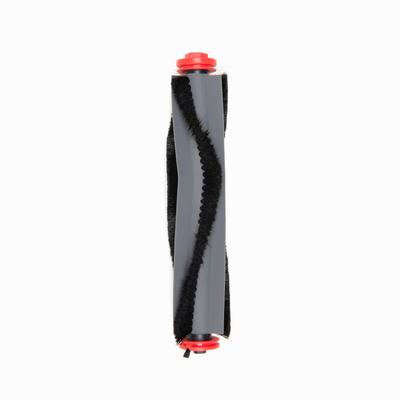
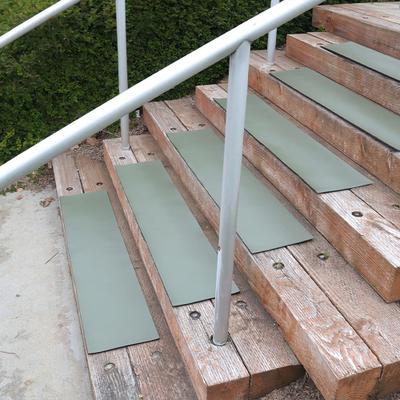
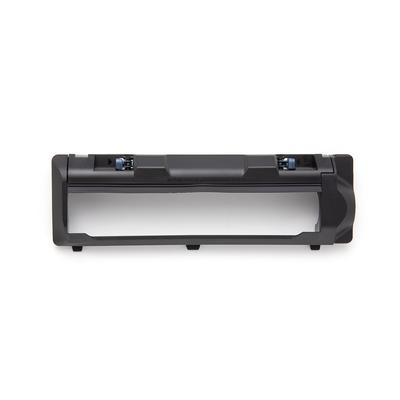
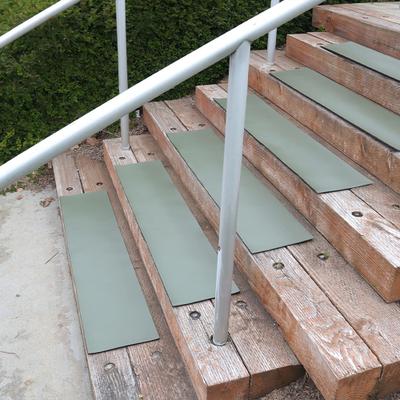
Products related to Rubber:

-
How is rubber vulcanized into rubber?
Rubber is vulcanized by adding sulfur to the rubber compound and then heating it. The sulfur forms cross-links between the long chains of rubber molecules, making the material more durable and elastic. This process changes the physical properties of the rubber, making it less sticky and more resistant to heat, wear, and aging. Vulcanization is a crucial step in the production of various rubber products, such as tires, hoses, and seals. **
-
How is vulcanization of rubber to rubber accomplished?
Vulcanization of rubber is typically achieved by heating the rubber compound with sulfur and other additives. The process involves cross-linking the polymer chains in the rubber, which increases its strength, elasticity, and durability. The heat and sulfur cause chemical reactions that form new bonds between the polymer chains, creating a three-dimensional network that gives the rubber its desired properties. The vulcanization process can be controlled to achieve different levels of hardness, flexibility, and other characteristics in the final rubber product. **
-
Why is the rubber cart called a rubber cart?
The rubber cart is called a rubber cart because it is typically made with rubber wheels or tires. The use of rubber in the construction of the cart's wheels allows for smooth and quiet movement, as well as providing traction and durability. Additionally, the rubber material helps to absorb shock and reduce vibrations, making it suitable for transporting delicate or fragile items. Overall, the use of rubber in the cart's construction is what gives it its name. **
-
Which color rubber?
The color of rubber can vary depending on its intended use and composition. Rubber can be found in a wide range of colors, including black, white, red, blue, green, and more. The color of rubber is often determined by the additives and pigments used during the manufacturing process. Ultimately, the choice of color for rubber is based on factors such as aesthetics, visibility, and functionality. **


Which rubber color?
The choice of rubber color depends on personal preference and the intended use of the rubber. Some people prefer traditional black rubber for a professional look, while others may opt for colorful rubber to add a fun and vibrant touch to their workspace. Ultimately, the best rubber color is the one that makes you happy and suits your individual style. **
Is rubber toxic?
Rubber itself is not toxic, as it is a natural material derived from the latex of rubber trees. However, some rubber products may contain toxic additives or chemicals used in the manufacturing process. It is important to be cautious when using rubber products, especially if they are not labeled as being free from harmful substances. Overall, natural rubber is considered safe for most applications. **
Top-Angebote
Products related to Rubber:
-
Inspire Picks Waterproof Silicone Cat Litter Mat For Cleaner Floors & Easy Maintenance rubber PlugMake litter box cleanup faster and less frustrating with this silicone cat litter mat designed to trap scattered litter before it spreads throughout your home. Made from durable waterproof silicone, this mat helps collect loose litter around the...57,54 $*Shipping: 0,00 $Secure redirect to the provider
-
Can rubber insulation be embedded in concrete?
Yes, rubber insulation can be embedded in concrete. This can be done by placing the rubber insulation material within the concrete formwork before pouring the concrete. The rubber insulation will then become encased within the concrete as it sets, providing both thermal and sound insulation properties to the concrete structure. This method is commonly used in construction to improve the energy efficiency and acoustic performance of concrete buildings. **
-
Where can one get cheap rubber pants, rubber gloves, rubber shirts, and rubber boots?
One can find cheap rubber pants, rubber gloves, rubber shirts, and rubber boots at stores that specialize in workwear or outdoor gear, such as hardware stores, department stores, or online retailers like Amazon or eBay. Additionally, thrift stores or second-hand shops may also have these items at a lower cost. It's important to compare prices and quality before making a purchase to ensure you are getting the best deal. **
-
How is rubber vulcanized into rubber?
Rubber is vulcanized by adding sulfur to the rubber compound and then heating it. The sulfur forms cross-links between the long chains of rubber molecules, making the material more durable and elastic. This process changes the physical properties of the rubber, making it less sticky and more resistant to heat, wear, and aging. Vulcanization is a crucial step in the production of various rubber products, such as tires, hoses, and seals. **
-
How is vulcanization of rubber to rubber accomplished?
Vulcanization of rubber is typically achieved by heating the rubber compound with sulfur and other additives. The process involves cross-linking the polymer chains in the rubber, which increases its strength, elasticity, and durability. The heat and sulfur cause chemical reactions that form new bonds between the polymer chains, creating a three-dimensional network that gives the rubber its desired properties. The vulcanization process can be controlled to achieve different levels of hardness, flexibility, and other characteristics in the final rubber product. **
Similar search terms for Rubber
-
Why is the rubber cart called a rubber cart?
The rubber cart is called a rubber cart because it is typically made with rubber wheels or tires. The use of rubber in the construction of the cart's wheels allows for smooth and quiet movement, as well as providing traction and durability. Additionally, the rubber material helps to absorb shock and reduce vibrations, making it suitable for transporting delicate or fragile items. Overall, the use of rubber in the cart's construction is what gives it its name. **
-
Which color rubber?
The color of rubber can vary depending on its intended use and composition. Rubber can be found in a wide range of colors, including black, white, red, blue, green, and more. The color of rubber is often determined by the additives and pigments used during the manufacturing process. Ultimately, the choice of color for rubber is based on factors such as aesthetics, visibility, and functionality. **
-
Which rubber color?
The choice of rubber color depends on personal preference and the intended use of the rubber. Some people prefer traditional black rubber for a professional look, while others may opt for colorful rubber to add a fun and vibrant touch to their workspace. Ultimately, the best rubber color is the one that makes you happy and suits your individual style. **
-
Is rubber toxic?
Rubber itself is not toxic, as it is a natural material derived from the latex of rubber trees. However, some rubber products may contain toxic additives or chemicals used in the manufacturing process. It is important to be cautious when using rubber products, especially if they are not labeled as being free from harmful substances. Overall, natural rubber is considered safe for most applications. **
* All prices are inclusive of VAT and, if applicable, plus shipping costs. The offer information is based on the details provided by the respective shop and is updated through automated processes. Real-time updates do not occur, so deviations can occur in individual cases. ** Note: Parts of this content were created by AI.