Buy dachsanierung.eu ?
We are moving the project
dachsanierung.eu .
Are you interested in purchasing the domain
dachsanierung.eu ?
domain@kv-gmbh.de · 0541-91531010
Buy dachsanierung.eu ?
What are the differences between Sanger DNA sequencing and NGS sequencing using a sequencer?
Sanger DNA sequencing is a traditional method that involves sequencing one DNA fragment at a time using chain-terminating dideoxynucleotides. It is a slower and more labor-intensive process compared to NGS sequencing. NGS sequencing, on the other hand, uses massively parallel sequencing technology to simultaneously sequence millions of DNA fragments. This allows for high-throughput sequencing and the generation of large amounts of data in a shorter amount of time. Additionally, NGS sequencing can provide more comprehensive and detailed information about the entire genome, making it more suitable for large-scale genomic studies. **
Why are modern DNA sequencing methods faster?
Modern DNA sequencing methods are faster due to advancements in technology and automation. High-throughput sequencing machines can process multiple samples simultaneously, increasing the speed of data generation. Additionally, improvements in chemistry and bioinformatics have streamlined the sequencing process, reducing the time and resources required for analysis. These advancements have made it possible to sequence large genomes in a fraction of the time it would have taken with older methods, revolutionizing the field of genomics. **
Similar search terms for Sequencing
Top-Angebote
Products related to Sequencing:
-
Learning Resources Numberblocks Sequencing Puzzle for Ages 3+ - Numberblocks 1-20 Double Sided Puzzle SetHelps children master number sequencing with friendly Numberblocks from One to Twenty. Includes 10 pieces with double-sided puzzles, color-coded pieces, and a number line for ordering and comparing numbers. Suitable for ages 3 and up.9,79 £*Shipping: 3,95 £Secure redirect to the provider
-
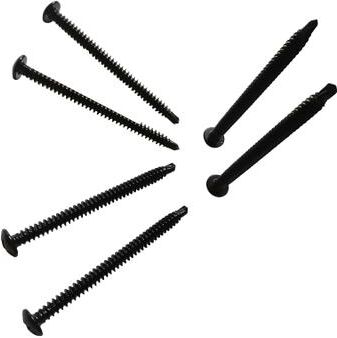
HydroShield Building Products HydroShield Heavy Duty Roofing Insulation Screws #14-2 Inch-Tub of 1 000The HydroShield Heavy Duty Roofing Insulation Screws are self-drilling screws designed to fasten insulation coverboards base sheets and single-ply roof membrane systems. These roof fasteners are available in #14 heavy duty or #15 extra heavy duty...92,26 $*Shipping: 0,00 $Secure redirect to the provider
-
Tools, Home & Hobby Professional Roofing Nailer 15 Degree Pneumatic Coil Roofing Nail Gun Professional Roofing Nailer 15 Degree Pneumatic Coil Roofing Nail GunMake roofing projects faster and easier with a reliable tool built for precision and efficiency. This professional roofing nailer is designed for contractors, builders, and DIY users who need consistent performance for shingles, sheathing, and wood...269,97 $*Shipping: 0,00 $Secure redirect to the provider
-
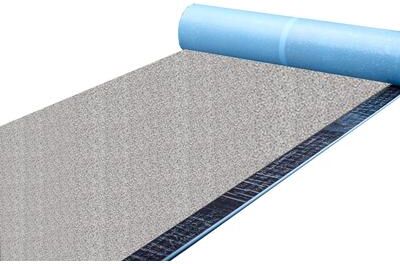
CertainTeed Roofing CertainTeed Flintlastic SA Cap Peel & Stick Roofing White - Single RollThe CertainTeed Flintlastic SA Cap Peel & Stick Roofing Membrane is a premium self-adhering SBS modified bitumen roofing membrane meant for use with most low slope roof systems. This Peel and Stick Cap Roofing is available in 9 different color...182,83 $*Shipping: 0,00 $Secure redirect to the provider


-
What is the DNA sequencing for guanine?
The DNA sequencing for guanine is represented by the letter "G". Guanine is one of the four nucleobases found in DNA, along with adenine, cytosine, and thymine. It pairs with cytosine through three hydrogen bonds in the DNA double helix structure. The specific sequence of guanine, along with the other nucleobases, forms the genetic code that determines the characteristics and functions of an organism. **
-
What is the difference between sequencing and transposition?
Sequencing is the process of determining the precise order of nucleotides in a DNA or RNA molecule. It involves identifying the sequence of bases (A, T, C, G) in a specific region of genetic material. Transposition, on the other hand, is a genetic process where a segment of DNA moves from one location in the genome to another. This can result in genetic mutations or changes in the expression of certain genes. In summary, sequencing involves determining the order of nucleotides, while transposition involves the movement of genetic material within the genome. **
-
What is the difference between these two sequencing methods?
The difference between Sanger sequencing and next-generation sequencing (NGS) lies in their technology and throughput. Sanger sequencing, also known as first-generation sequencing, is a traditional method that uses chain-terminating dideoxynucleotides to sequence DNA. It is a slower and more labor-intensive process, typically used for sequencing shorter DNA fragments. On the other hand, NGS is a high-throughput method that sequences millions of DNA fragments in parallel, allowing for faster and more cost-effective sequencing of entire genomes or targeted regions. NGS also provides greater depth of coverage and can detect rare genetic variants more effectively than Sanger sequencing. **
-
Is DNA sequencing and DNA sequence analysis the same thing?
No, DNA sequencing and DNA sequence analysis are not the same thing. DNA sequencing is the process of determining the precise order of nucleotides within a DNA molecule, while DNA sequence analysis involves interpreting and analyzing the data obtained from DNA sequencing to identify genes, mutations, or other genetic information. In other words, DNA sequencing is the method used to generate the DNA sequence data, while DNA sequence analysis is the process of interpreting and making sense of that data. **

What is the difference between DNA hybridization and DNA sequencing?
DNA hybridization is a technique used to determine the similarity between two DNA sequences by allowing them to bind together based on complementary base pairing. This method provides information on the degree of similarity between the sequences. On the other hand, DNA sequencing is a technique used to determine the exact order of nucleotides in a DNA molecule. This method provides the precise sequence of the DNA, allowing for detailed analysis of genetic information. **
Why is only a single primer used in DNA sequencing?
Only a single primer is used in DNA sequencing because the primer binds to a specific region of the DNA template, initiating the synthesis of the new DNA strand. This primer is complementary to the template DNA, allowing for the specific amplification of the target region. Using a single primer simplifies the sequencing process and ensures that only the desired region of DNA is amplified and sequenced. **
Top-Angebote
Products related to Sequencing:
-
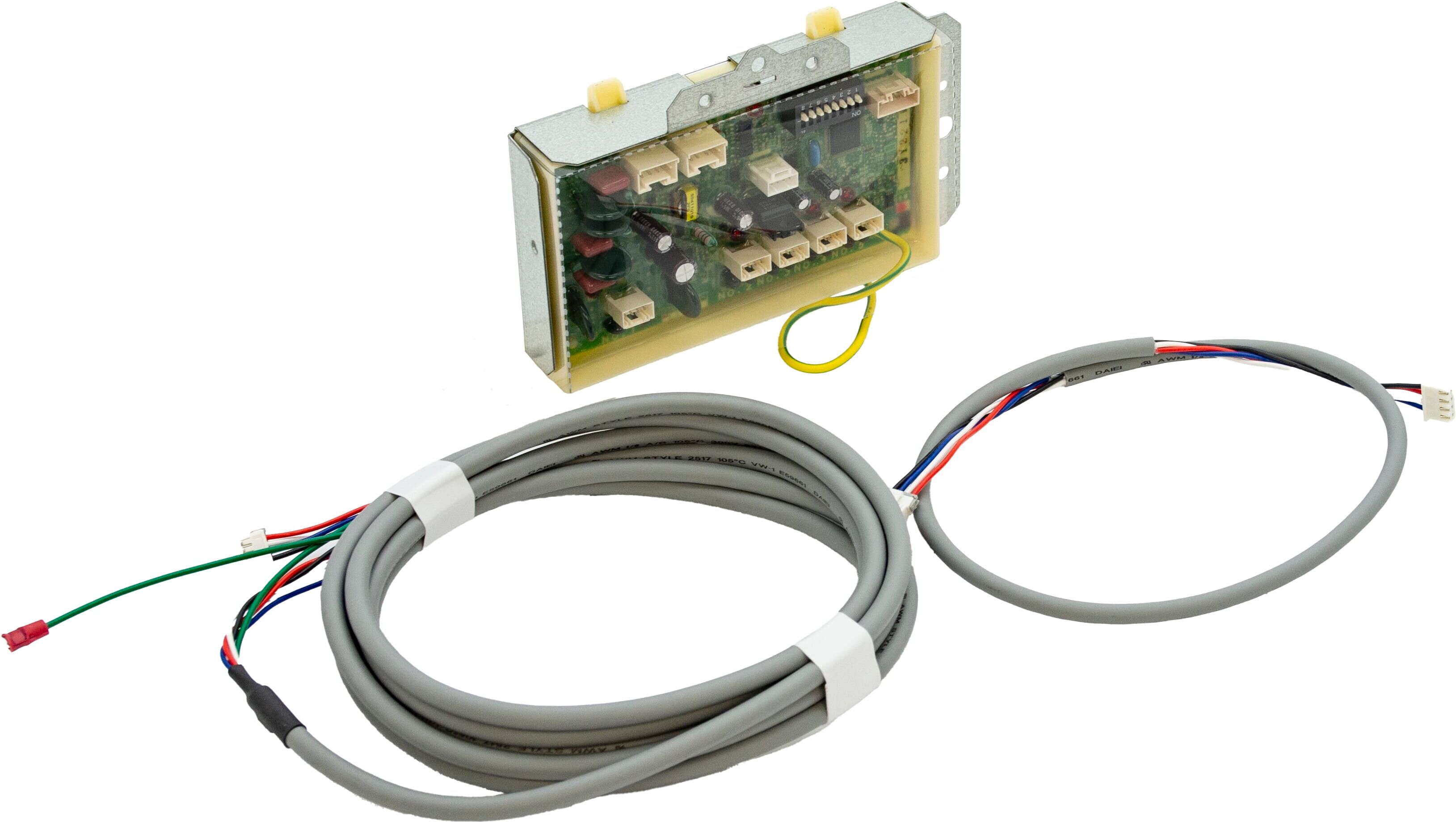
Rinnai MECS Electronic Sequencing System (Master + 1 Slave)Electronic Sequencing manifold for use with the Internal Rinnai Gas Water Heaters. The electronic control system can link each heater, turning each one on as required. The system automatically evens out the work load between units to minimise wear and tear.60,90 £*Shipping: 5,00 £Secure redirect to the provider
-
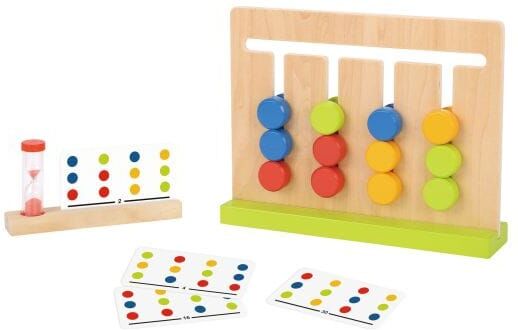
Tooky Toys Wooden Logic Game - Children's Sequencing and Spatial Reasoning Puzzle for Ages 6+Solid wood logic game for children ages 6 and older. Develops sequencing, spatial reasoning, and sustained attention. No screens required. Smooth edges and compact design for easy transport and storage.8,29 £*Shipping: 3,95 £Secure redirect to the provider
-
Learning Resources Numberblocks Sequencing Puzzle for Ages 3+ - Numberblocks 1-20 Double Sided Puzzle SetHelps children master number sequencing with friendly Numberblocks from One to Twenty. Includes 10 pieces with double-sided puzzles, color-coded pieces, and a number line for ordering and comparing numbers. Suitable for ages 3 and up.9,79 £*Shipping: 3,95 £Secure redirect to the provider
-
HydroShield Building Products HydroShield Heavy Duty Roofing Insulation Screws #14-2 Inch-Tub of 1 000The HydroShield Heavy Duty Roofing Insulation Screws are self-drilling screws designed to fasten insulation coverboards base sheets and single-ply roof membrane systems. These roof fasteners are available in #14 heavy duty or #15 extra heavy duty...92,26 $*Shipping: 0,00 $Secure redirect to the provider
-
What are the differences between Sanger DNA sequencing and NGS sequencing using a sequencer?
Sanger DNA sequencing is a traditional method that involves sequencing one DNA fragment at a time using chain-terminating dideoxynucleotides. It is a slower and more labor-intensive process compared to NGS sequencing. NGS sequencing, on the other hand, uses massively parallel sequencing technology to simultaneously sequence millions of DNA fragments. This allows for high-throughput sequencing and the generation of large amounts of data in a shorter amount of time. Additionally, NGS sequencing can provide more comprehensive and detailed information about the entire genome, making it more suitable for large-scale genomic studies. **
-
Why are modern DNA sequencing methods faster?
Modern DNA sequencing methods are faster due to advancements in technology and automation. High-throughput sequencing machines can process multiple samples simultaneously, increasing the speed of data generation. Additionally, improvements in chemistry and bioinformatics have streamlined the sequencing process, reducing the time and resources required for analysis. These advancements have made it possible to sequence large genomes in a fraction of the time it would have taken with older methods, revolutionizing the field of genomics. **
-
What is the DNA sequencing for guanine?
The DNA sequencing for guanine is represented by the letter "G". Guanine is one of the four nucleobases found in DNA, along with adenine, cytosine, and thymine. It pairs with cytosine through three hydrogen bonds in the DNA double helix structure. The specific sequence of guanine, along with the other nucleobases, forms the genetic code that determines the characteristics and functions of an organism. **
-
What is the difference between sequencing and transposition?
Sequencing is the process of determining the precise order of nucleotides in a DNA or RNA molecule. It involves identifying the sequence of bases (A, T, C, G) in a specific region of genetic material. Transposition, on the other hand, is a genetic process where a segment of DNA moves from one location in the genome to another. This can result in genetic mutations or changes in the expression of certain genes. In summary, sequencing involves determining the order of nucleotides, while transposition involves the movement of genetic material within the genome. **
Similar search terms for Sequencing
-
Tools, Home & Hobby Professional Roofing Nailer 15 Degree Pneumatic Coil Roofing Nail Gun Professional Roofing Nailer 15 Degree Pneumatic Coil Roofing Nail GunMake roofing projects faster and easier with a reliable tool built for precision and efficiency. This professional roofing nailer is designed for contractors, builders, and DIY users who need consistent performance for shingles, sheathing, and wood...269,97 $*Shipping: 0,00 $Secure redirect to the provider
-
CertainTeed Roofing CertainTeed Flintlastic SA Cap Peel & Stick Roofing White - Single RollThe CertainTeed Flintlastic SA Cap Peel & Stick Roofing Membrane is a premium self-adhering SBS modified bitumen roofing membrane meant for use with most low slope roof systems. This Peel and Stick Cap Roofing is available in 9 different color...182,83 $*Shipping: 0,00 $Secure redirect to the provider
-
Corega Cleansing Tablets Orthodontic and Gutters 36 un.A food supplement. Orthodontic and Drip Cleaning Tablets allow you to eliminate 99.9% of bacteria, while also helping to remove difficult spots and maintain the original color. Its composition is smooth for the material that constitutes the dental gutters and orthodontic appliances, preserving its integrity throughout the uses.8,77 £*Shipping: 5,22 £Secure redirect to the provider
-
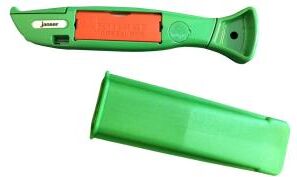
Janser Non-Retractable Green Roofing KnifeThe Janser Non-Retractable Green Knife is a dependable heavy-duty roofing tool designed to handle demanding cutting tasks on the jobsite. Built with durable steel construction this professional roofing knife delivers the strength and reliability...47,98 $*Shipping: 0,00 $Secure redirect to the provider
-
What is the difference between these two sequencing methods?
The difference between Sanger sequencing and next-generation sequencing (NGS) lies in their technology and throughput. Sanger sequencing, also known as first-generation sequencing, is a traditional method that uses chain-terminating dideoxynucleotides to sequence DNA. It is a slower and more labor-intensive process, typically used for sequencing shorter DNA fragments. On the other hand, NGS is a high-throughput method that sequences millions of DNA fragments in parallel, allowing for faster and more cost-effective sequencing of entire genomes or targeted regions. NGS also provides greater depth of coverage and can detect rare genetic variants more effectively than Sanger sequencing. **
-
Is DNA sequencing and DNA sequence analysis the same thing?
No, DNA sequencing and DNA sequence analysis are not the same thing. DNA sequencing is the process of determining the precise order of nucleotides within a DNA molecule, while DNA sequence analysis involves interpreting and analyzing the data obtained from DNA sequencing to identify genes, mutations, or other genetic information. In other words, DNA sequencing is the method used to generate the DNA sequence data, while DNA sequence analysis is the process of interpreting and making sense of that data. **
-
What is the difference between DNA hybridization and DNA sequencing?
DNA hybridization is a technique used to determine the similarity between two DNA sequences by allowing them to bind together based on complementary base pairing. This method provides information on the degree of similarity between the sequences. On the other hand, DNA sequencing is a technique used to determine the exact order of nucleotides in a DNA molecule. This method provides the precise sequence of the DNA, allowing for detailed analysis of genetic information. **
-
Why is only a single primer used in DNA sequencing?
Only a single primer is used in DNA sequencing because the primer binds to a specific region of the DNA template, initiating the synthesis of the new DNA strand. This primer is complementary to the template DNA, allowing for the specific amplification of the target region. Using a single primer simplifies the sequencing process and ensures that only the desired region of DNA is amplified and sequenced. **
* All prices are inclusive of VAT and, if applicable, plus shipping costs. The offer information is based on the details provided by the respective shop and is updated through automated processes. Real-time updates do not occur, so deviations can occur in individual cases. ** Note: Parts of this content were created by AI.