Buy dachsanierung.eu ?
We are moving the project
dachsanierung.eu .
Are you interested in purchasing the domain
dachsanierung.eu ?
domain@kv-gmbh.de · 0541-91531010
Buy dachsanierung.eu ?
Does saltwater corrode aluminum?
Yes, saltwater can corrode aluminum. When aluminum is exposed to saltwater, a chemical reaction occurs that leads to the formation of aluminum oxide, which is a type of corrosion known as pitting corrosion. This can weaken the aluminum and eventually lead to structural damage if not properly treated or protected. To prevent corrosion, it is important to use protective coatings or alloys that are more resistant to saltwater exposure. **
Why don't lemons corrode?
Lemons do not corrode because they have a high acidity level, which acts as a natural preservative. The citric acid in lemons helps to inhibit the growth of bacteria and other microorganisms that can cause corrosion. Additionally, the protective outer layer of the lemon peel helps to prevent the juice from coming into direct contact with metal surfaces, further reducing the risk of corrosion. Overall, the combination of acidity and protective barriers in lemons helps to prevent corrosion from occurring. **

Similar search terms for Corrode
Top-Angebote
Products related to Corrode:
-
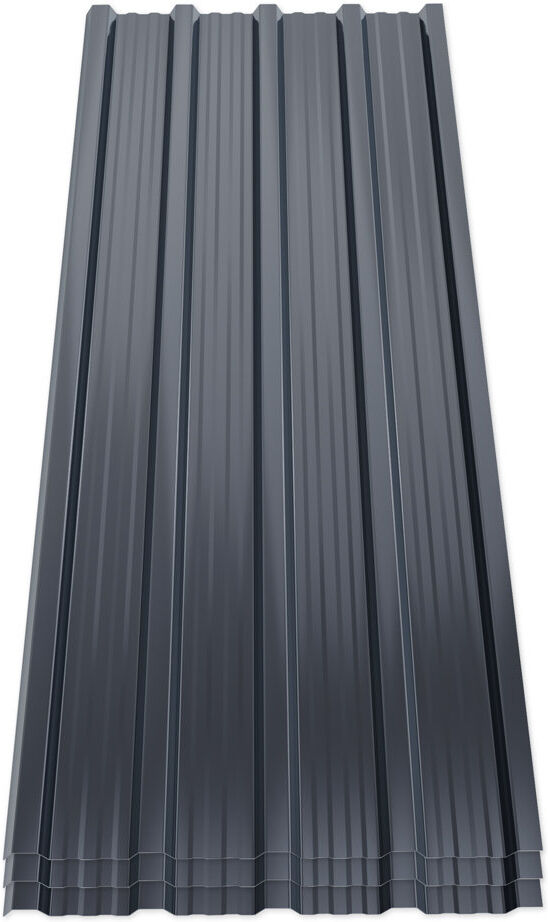
Symple Stuff Metal Roofing KitThis pack of 12 corrugated roof sheets is ideal for all domestic, agricultural, and industrial buildings. The roof sheets are made from rust-proof galvanized metal and have a high load capacity which is perfect for general roofing and walling applications. These roof sheets are 115cm x 45cm in size and 0.3mm in thickness. They are suitable for sheds, workshops, greenhouses, barns, carports, huts, kennels, garages, etc. Note: Please wear gloves when using this product to prevent scratching the fingers. Symple Stuff46,99 £*Shipping: 4,99 £Secure redirect to the provider
-
Dakota Fields Metal Roofing KitAn economical and robust solution for any application, such as sheds, awnings, greenhouses, or garage walls and cladding! The lightweight single-layer roof sheets have no pre-drilled holes, offering flexibility to punch holes for installation according to specific needs, enabling super-fast and easy installation. Dakota Fields64,99 £*Shipping: 0,00 £Secure redirect to the provider
-
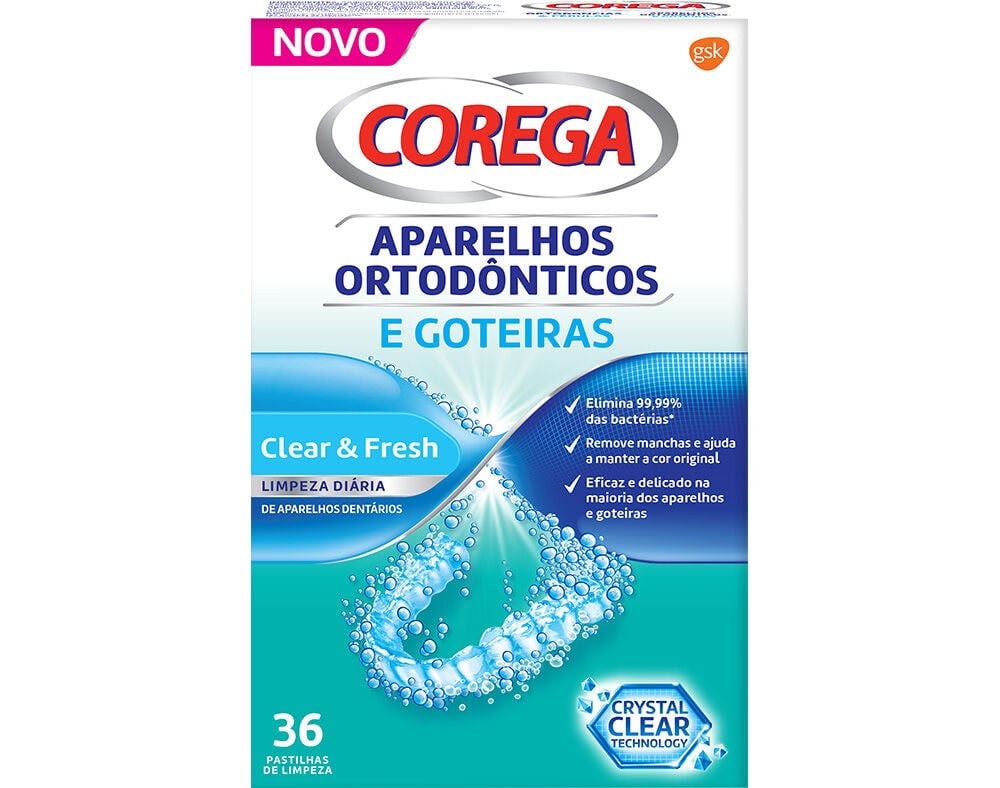
Corega Cleansing Tablets Orthodontic and Gutters 36 un.A food supplement. Orthodontic and Drip Cleaning Tablets allow you to eliminate 99.9% of bacteria, while also helping to remove difficult spots and maintain the original color. Its composition is smooth for the material that constitutes the dental gutters and orthodontic appliances, preserving its integrity throughout the uses.8,77 £*Shipping: 5,22 £Secure redirect to the provider


-
Can stomach acid corrode glass?
Stomach acid, also known as hydrochloric acid, is a strong acid that can corrode many materials, including glass. However, glass is generally resistant to the corrosive effects of stomach acid due to its non-reactive nature. While prolonged exposure to stomach acid may eventually cause some etching or dulling of the glass surface, it is unlikely to cause significant corrosion or damage. **
-
Why do acids and bases corrode?
Acids and bases are corrosive because they have the ability to react with and break down materials they come into contact with. Acids donate protons, which can react with metals, causing them to corrode. Bases, on the other hand, can react with fats and oils, breaking them down and causing corrosion. The corrosive nature of acids and bases is due to their ability to chemically react with substances, leading to degradation and deterioration of materials. **
-
Why do acids corrode base metals? Explain this using an example.
Acids corrode base metals because they can donate hydrogen ions (H+) to the metal surface, leading to the formation of metal ions and hydrogen gas. This process weakens the metal structure, making it more susceptible to corrosion. For example, when hydrochloric acid (HCl) comes into contact with iron (Fe), it reacts to form iron chloride (FeCl2) and hydrogen gas (H2), causing the iron to corrode and deteriorate over time. **
-
Do batteries, especially button cells, really leak and corrode after years?
Yes, batteries, including button cells, can leak and corrode over time. This is typically caused by a chemical reaction within the battery that leads to the leakage of corrosive materials. This can happen more frequently in older or expired batteries. It is important to regularly check and replace batteries to prevent leakage and corrosion, which can damage electronic devices. **


Is there an acid that can corrode almost anything in seconds?
There is no single acid that can corrode almost anything in seconds. While there are strong acids such as hydrochloric acid and sulfuric acid that can corrode many materials, they do not instantly corrode everything. The speed and extent of corrosion depend on the specific material and the concentration of the acid. Additionally, there are some materials that are resistant to corrosion from even the strongest acids. **
Do batteries, especially button cells, really run out and corrode after years?
Yes, batteries, including button cells, can run out and corrode after years of use. Over time, the chemicals inside the battery can degrade, leading to a decrease in power output. Additionally, if a battery is left unused for an extended period, it can leak and corrode, causing damage to the device it is powering. It is important to regularly check and replace batteries to prevent these issues. **
Top-Angebote
Products related to Corrode:
-
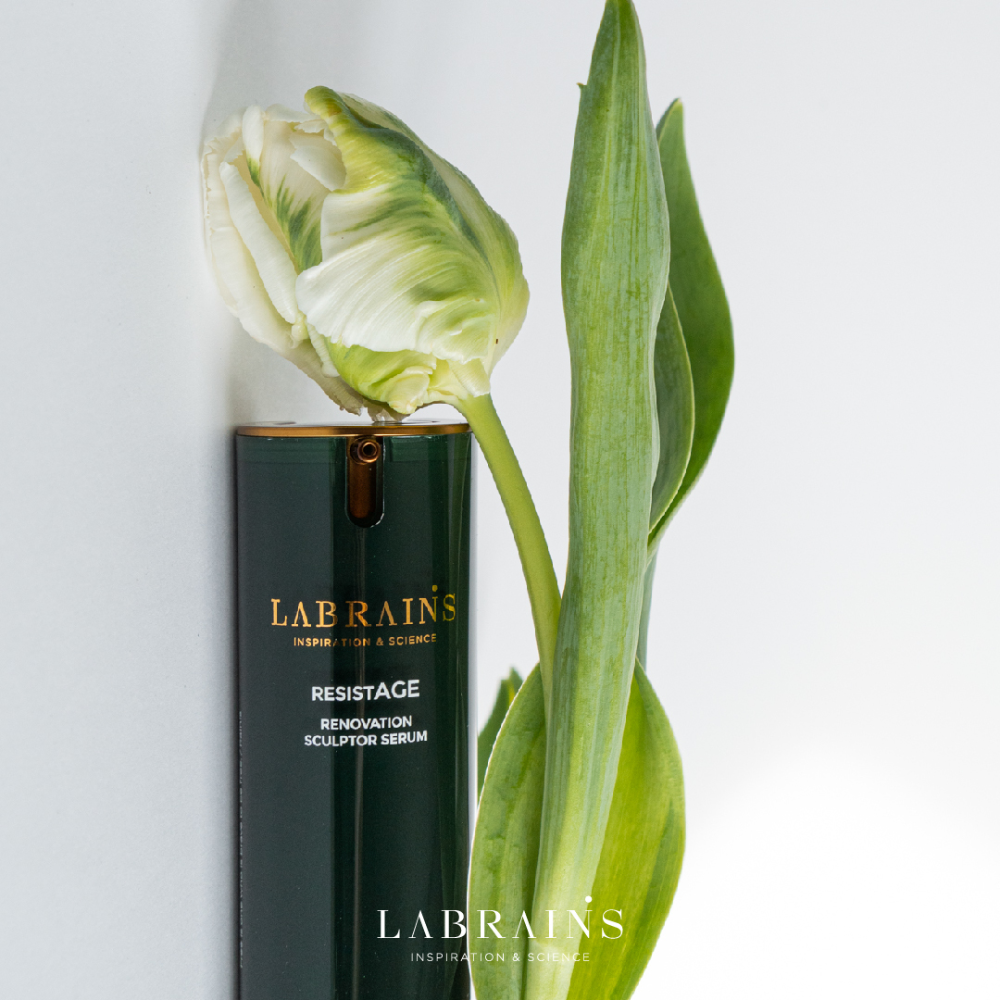
Labrains Renovation Sculptor Cream 50mLA skin-care product for wrinkles and signs of ageing. This product for all types of aging skin. A rich and delicately scented cream has been developed to deeply moisturize and provide high protection. This c ream not only safeguards the skin and its microbiota but also enhances its natural defense system, minimizing the effects of daily and climate-induced stress.70,82 £*Shipping: 5,22 £Secure redirect to the provider
-
Symple Stuff Metal Roofing KitThis pack of 12 corrugated roof sheets is ideal for all domestic, agricultural, and industrial buildings. The roof sheets are made from rust-proof galvanized metal and have a high load capacity which is perfect for general roofing and walling applications. These roof sheets are 115cm x 45cm in size and 0.3mm in thickness. They are suitable for sheds, workshops, greenhouses, barns, carports, huts, kennels, garages, etc. Note: Please wear gloves when using this product to prevent scratching the fingers. Symple Stuff46,99 £*Shipping: 4,99 £Secure redirect to the provider
-
Dakota Fields Metal Roofing KitAn economical and robust solution for any application, such as sheds, awnings, greenhouses, or garage walls and cladding! The lightweight single-layer roof sheets have no pre-drilled holes, offering flexibility to punch holes for installation according to specific needs, enabling super-fast and easy installation. Dakota Fields64,99 £*Shipping: 0,00 £Secure redirect to the provider
-
Does saltwater corrode aluminum?
Yes, saltwater can corrode aluminum. When aluminum is exposed to saltwater, a chemical reaction occurs that leads to the formation of aluminum oxide, which is a type of corrosion known as pitting corrosion. This can weaken the aluminum and eventually lead to structural damage if not properly treated or protected. To prevent corrosion, it is important to use protective coatings or alloys that are more resistant to saltwater exposure. **
-
Why don't lemons corrode?
Lemons do not corrode because they have a high acidity level, which acts as a natural preservative. The citric acid in lemons helps to inhibit the growth of bacteria and other microorganisms that can cause corrosion. Additionally, the protective outer layer of the lemon peel helps to prevent the juice from coming into direct contact with metal surfaces, further reducing the risk of corrosion. Overall, the combination of acidity and protective barriers in lemons helps to prevent corrosion from occurring. **
-
Can stomach acid corrode glass?
Stomach acid, also known as hydrochloric acid, is a strong acid that can corrode many materials, including glass. However, glass is generally resistant to the corrosive effects of stomach acid due to its non-reactive nature. While prolonged exposure to stomach acid may eventually cause some etching or dulling of the glass surface, it is unlikely to cause significant corrosion or damage. **
-
Why do acids and bases corrode?
Acids and bases are corrosive because they have the ability to react with and break down materials they come into contact with. Acids donate protons, which can react with metals, causing them to corrode. Bases, on the other hand, can react with fats and oils, breaking them down and causing corrosion. The corrosive nature of acids and bases is due to their ability to chemically react with substances, leading to degradation and deterioration of materials. **
Similar search terms for Corrode
-
Corega Cleansing Tablets Orthodontic and Gutters 36 un.A food supplement. Orthodontic and Drip Cleaning Tablets allow you to eliminate 99.9% of bacteria, while also helping to remove difficult spots and maintain the original color. Its composition is smooth for the material that constitutes the dental gutters and orthodontic appliances, preserving its integrity throughout the uses.8,77 £*Shipping: 5,22 £Secure redirect to the provider
-
Arena Renovation Pc Steam CD Key GlobalArena Renovation: A Game of Restoration Arena Renovation is a video game where you take on the role of a one-person renovation crew. Your mission? To restore dilapidated sports facilities to their former glory. Restoration Tasks : Engage in a variety of tasks such as painting walls, renovating floors, replacing broken chairs, and repairing electrical wiring. Customization : Fill each arena with hundreds of different items, allowing for a high degree of customization. Skill and Tools : Use different skills and tools to assess and meet the needs of each facility. Challenges : The game offers many challenges that require creativity, manual dexterity, and budget planning.6,46 £*Shipping: 0,00 £Secure redirect to the provider
-
Segle Gentle Volcanic Exfoliator Cellular Renovation 50mLA skin-care product for dull skin. From the first application, the gentle volcanic exfoliant improves the appearance of the skin by removing dead cells from the epidermis and excess oil while stimulating cell renewal. This mechanical peeling also brings luminosity to dull or lackluster skin. The skin becomes soft, radiant, and prepared for subsequent treatments.9,62 £*Shipping: 5,22 £Secure redirect to the provider
-
Why do acids corrode base metals? Explain this using an example.
Acids corrode base metals because they can donate hydrogen ions (H+) to the metal surface, leading to the formation of metal ions and hydrogen gas. This process weakens the metal structure, making it more susceptible to corrosion. For example, when hydrochloric acid (HCl) comes into contact with iron (Fe), it reacts to form iron chloride (FeCl2) and hydrogen gas (H2), causing the iron to corrode and deteriorate over time. **
-
Do batteries, especially button cells, really leak and corrode after years?
Yes, batteries, including button cells, can leak and corrode over time. This is typically caused by a chemical reaction within the battery that leads to the leakage of corrosive materials. This can happen more frequently in older or expired batteries. It is important to regularly check and replace batteries to prevent leakage and corrosion, which can damage electronic devices. **
-
Is there an acid that can corrode almost anything in seconds?
There is no single acid that can corrode almost anything in seconds. While there are strong acids such as hydrochloric acid and sulfuric acid that can corrode many materials, they do not instantly corrode everything. The speed and extent of corrosion depend on the specific material and the concentration of the acid. Additionally, there are some materials that are resistant to corrosion from even the strongest acids. **
-
Do batteries, especially button cells, really run out and corrode after years?
Yes, batteries, including button cells, can run out and corrode after years of use. Over time, the chemicals inside the battery can degrade, leading to a decrease in power output. Additionally, if a battery is left unused for an extended period, it can leak and corrode, causing damage to the device it is powering. It is important to regularly check and replace batteries to prevent these issues. **
* All prices are inclusive of VAT and, if applicable, plus shipping costs. The offer information is based on the details provided by the respective shop and is updated through automated processes. Real-time updates do not occur, so deviations can occur in individual cases. ** Note: Parts of this content were created by AI.