Buy dachsanierung.eu ?
We are moving the project
dachsanierung.eu .
Are you interested in purchasing the domain
dachsanierung.eu ?
domain@kv-gmbh.de · 0541-91531010
Buy dachsanierung.eu ?
What are anatomical adaptations?
Anatomical adaptations are physical characteristics or features of an organism that have evolved over time to help it survive and thrive in its environment. These adaptations can include changes in the size, shape, structure, or function of body parts such as limbs, organs, or sensory organs. Anatomical adaptations are often the result of natural selection, where individuals with traits that are better suited to their environment are more likely to survive and reproduce, passing on those advantageous traits to future generations. These adaptations can help organisms to obtain food, avoid predators, find mates, and generally improve their chances of survival and reproductive success. **
What is the simple explanation for anatomical morphological homology and anatomical morphological analogy?
Anatomical morphological homology refers to similarities in the structure of different organisms that are inherited from a common ancestor. These similarities are due to shared evolutionary history and can help scientists understand the relationships between different species. On the other hand, anatomical morphological analogy refers to similarities in structure between different organisms that are not due to shared ancestry but rather to similar environmental pressures leading to convergent evolution. This means that organisms develop similar traits independently in response to similar environmental challenges. **
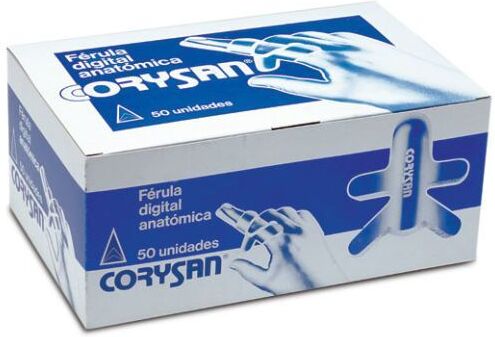

Similar search terms for Corysan-Anatomical-Digital-Splint
Top-Angebote
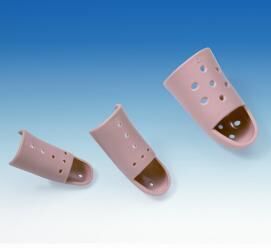
Products related to Corysan-Anatomical-Digital-Splint:
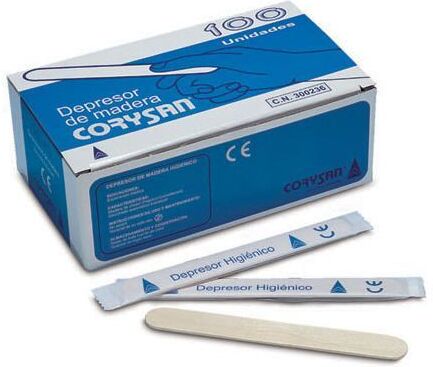
-
What are anatomical physiological adaptations?
Anatomical physiological adaptations refer to changes in the structure and function of an organism's body in response to environmental pressures. These adaptations can include changes in organ size, shape, and function, as well as alterations in physiological processes such as metabolism, circulation, and respiration. These adaptations allow an organism to better survive and thrive in its specific environment, and can be the result of natural selection over many generations. Examples of anatomical physiological adaptations include the development of specialized respiratory systems in aquatic animals, or the ability of desert animals to conserve water. **
-
What does the term anatomical features mean?
Anatomical features refer to the physical structures and characteristics of an organism's body, such as its bones, muscles, organs, and tissues. These features are unique to each species and play a crucial role in determining the function and capabilities of the organism. By studying anatomical features, scientists can gain insights into the evolutionary history, behavior, and adaptations of different species. **
-
What are morphological, physiological, and anatomical adaptations?
Morphological adaptations refer to physical features or structures that have evolved to help an organism survive in its environment, such as the shape of a bird's beak for feeding. Physiological adaptations are changes in an organism's internal functions, such as the ability of certain animals to regulate body temperature in extreme environments. Anatomical adaptations involve changes in the internal structure of an organism, such as the presence of specialized organs or tissues for specific functions, like the gills of fish for breathing underwater. These adaptations all help organisms to better survive and thrive in their specific habitats. **
-
What is a bite splint?
A bite splint, also known as a night guard or occlusal splint, is a dental appliance that is worn over the teeth to protect them from damage caused by grinding or clenching. It is typically made of a hard acrylic material and is custom-fitted to the patient's teeth. Bite splints help to alleviate symptoms of temporomandibular joint (TMJ) disorder, prevent tooth wear, and reduce muscle tension in the jaw. They are often worn at night while sleeping, but can also be worn during the day if necessary. **

What is an anatomical bridle from Claridge House?
An anatomical bridle from Claridge House is a specialized type of bridle designed to provide maximum comfort and functionality for the horse. It is crafted with the horse's anatomy in mind, featuring a unique shape and design to reduce pressure points and allow for freedom of movement. These bridles are often made with high-quality materials and precision to ensure a proper fit and optimal performance for the horse. **
Can the dental splint be removed?
Yes, a dental splint can be removed. However, it should only be removed by a dentist or orthodontist to ensure that it is done safely and without causing any damage to the teeth or surrounding structures. It is important to follow the instructions of the dental professional regarding when and how to remove the splint to ensure the best outcome for your dental health. **
Top-Angebote
Products related to Corysan-Anatomical-Digital-Splint:
-
Uplift Essentials Shin Splint Relief Strap Shin Splint Relief StrapTake a proactive approach to lower leg health with this Shin Splint Relief Strap, a specialized tool designed to enhance calf strength, flexibility, and mobility. This versatile trainer focuses on the tibialis anterior muscle, providing targeted...45,97 $*Shipping: 0,00 $Secure redirect to the provider
-
What are anatomical adaptations?
Anatomical adaptations are physical characteristics or features of an organism that have evolved over time to help it survive and thrive in its environment. These adaptations can include changes in the size, shape, structure, or function of body parts such as limbs, organs, or sensory organs. Anatomical adaptations are often the result of natural selection, where individuals with traits that are better suited to their environment are more likely to survive and reproduce, passing on those advantageous traits to future generations. These adaptations can help organisms to obtain food, avoid predators, find mates, and generally improve their chances of survival and reproductive success. **
-
What is the simple explanation for anatomical morphological homology and anatomical morphological analogy?
Anatomical morphological homology refers to similarities in the structure of different organisms that are inherited from a common ancestor. These similarities are due to shared evolutionary history and can help scientists understand the relationships between different species. On the other hand, anatomical morphological analogy refers to similarities in structure between different organisms that are not due to shared ancestry but rather to similar environmental pressures leading to convergent evolution. This means that organisms develop similar traits independently in response to similar environmental challenges. **
-
What are anatomical physiological adaptations?
Anatomical physiological adaptations refer to changes in the structure and function of an organism's body in response to environmental pressures. These adaptations can include changes in organ size, shape, and function, as well as alterations in physiological processes such as metabolism, circulation, and respiration. These adaptations allow an organism to better survive and thrive in its specific environment, and can be the result of natural selection over many generations. Examples of anatomical physiological adaptations include the development of specialized respiratory systems in aquatic animals, or the ability of desert animals to conserve water. **
-
What does the term anatomical features mean?
Anatomical features refer to the physical structures and characteristics of an organism's body, such as its bones, muscles, organs, and tissues. These features are unique to each species and play a crucial role in determining the function and capabilities of the organism. By studying anatomical features, scientists can gain insights into the evolutionary history, behavior, and adaptations of different species. **
Similar search terms for Corysan-Anatomical-Digital-Splint
-
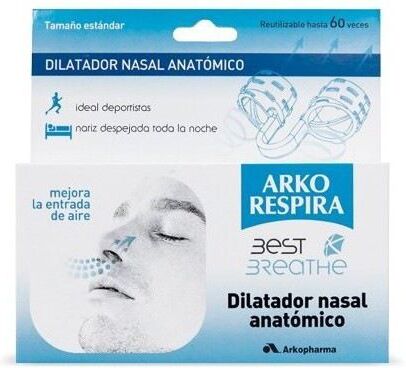
Arkopharma Anatomical Nasal Dilator 1 UdHealth and Beauty Respiratory Care Arkopharma Anatomical Nasal Dilator 1 Ud Arkorespira Best Breathe anatomical nasal dilator is a device that facilitates the entry of air into the nasal passages internally. Improves the night rest. The nostrils can become clogged, making it difficult to sleep, as we are forced to breathe through the mouth. Comfortable and safe. Thanks to its design it adapts perfectly to any nostril without having to worry about its fall. Discreet, thanks to its size and transparent color. Does not contain latex. How to use: * Introduce the device in each nostril exerting a gentle pressure to achieve its full adaptation. * You can moisten the device with water or physiological saline to facilitate its placement. * Once placed, you will notice an increase in the air flow that enters the nasal bags. Removal of the device: * Gently pull the bridge that joins the two cylinders of the device. * For a better conservation, it is recommended to wash it with soap and water after each use. * Keep in its original box until the next use, making sure to do it once it is completely dry.13,47 £*Shipping: 3,99 £Secure redirect to the provider
-
What are morphological, physiological, and anatomical adaptations?
Morphological adaptations refer to physical features or structures that have evolved to help an organism survive in its environment, such as the shape of a bird's beak for feeding. Physiological adaptations are changes in an organism's internal functions, such as the ability of certain animals to regulate body temperature in extreme environments. Anatomical adaptations involve changes in the internal structure of an organism, such as the presence of specialized organs or tissues for specific functions, like the gills of fish for breathing underwater. These adaptations all help organisms to better survive and thrive in their specific habitats. **
-
What is a bite splint?
A bite splint, also known as a night guard or occlusal splint, is a dental appliance that is worn over the teeth to protect them from damage caused by grinding or clenching. It is typically made of a hard acrylic material and is custom-fitted to the patient's teeth. Bite splints help to alleviate symptoms of temporomandibular joint (TMJ) disorder, prevent tooth wear, and reduce muscle tension in the jaw. They are often worn at night while sleeping, but can also be worn during the day if necessary. **
-
What is an anatomical bridle from Claridge House?
An anatomical bridle from Claridge House is a specialized type of bridle designed to provide maximum comfort and functionality for the horse. It is crafted with the horse's anatomy in mind, featuring a unique shape and design to reduce pressure points and allow for freedom of movement. These bridles are often made with high-quality materials and precision to ensure a proper fit and optimal performance for the horse. **
-
Can the dental splint be removed?
Yes, a dental splint can be removed. However, it should only be removed by a dentist or orthodontist to ensure that it is done safely and without causing any damage to the teeth or surrounding structures. It is important to follow the instructions of the dental professional regarding when and how to remove the splint to ensure the best outcome for your dental health. **
* All prices are inclusive of VAT and, if applicable, plus shipping costs. The offer information is based on the details provided by the respective shop and is updated through automated processes. Real-time updates do not occur, so deviations can occur in individual cases. ** Note: Parts of this content were created by AI.