Buy dachsanierung.eu ?
We are moving the project
dachsanierung.eu .
Are you interested in purchasing the domain
dachsanierung.eu ?
domain@kv-gmbh.de · 0541-91531010
Buy dachsanierung.eu ?
How thick is the external thermal insulation system (ETICS)?
The thickness of the external thermal insulation system (ETICS) can vary depending on the specific requirements of the building and the insulation material being used. However, in general, the thickness of the insulation layer in an ETICS can range from 50mm to 200mm. Thicker insulation layers provide better thermal performance and energy efficiency, but they also require more space and can be more expensive to install. The thickness of the ETICS should be determined based on the specific needs of the building and the desired level of insulation. **
What is Neopor for external thermal insulation systems (ETICS)?
Neopor is a type of insulation material used in External Thermal Insulation Systems (ETICS). It is a type of expanded polystyrene (EPS) that contains graphite particles, which enhance its thermal insulation properties. Neopor is commonly used in ETICS to improve the energy efficiency of buildings by reducing heat loss through the walls. Its high insulation performance and durability make it a popular choice for external insulation systems. **
Similar search terms for External
Top-Angebote
Products related to External:
-
Canesten 2% External Cream (20g)Canesten 2% Cream is an external treatment for fungal skin infections, such as thrush. It helps to relieve symptoms of itching and irritation by tackling the cause of fungal infections. Do not suddenly stop using Canesten as this may cause the symptoms of the infection to return. Canesten 2% Cream is double strength cream contains Clotrimazole, the antifungal active ingredient that fights thrush. Order online from Pharmica, UK's leading online pharmacy. Fast and discreet delivery. Free prescription and no hidden fees. Award-winning customer service.7,99 £*Shipping: 2,90 £Secure redirect to the provider

-
How does the external insulation of semi-detached houses work?
External insulation of semi-detached houses involves adding a layer of insulation material to the exterior walls of the building. This helps to prevent heat loss through the walls, keeping the interior of the house warmer and reducing the need for heating. The insulation material acts as a barrier, reducing the transfer of heat through the walls and improving the overall energy efficiency of the building. Additionally, external insulation can also help to improve the appearance of the house and protect the existing wall structure from weather damage. **
-
What is Neopor for external thermal insulation composite systems (ETICS)?
Neopor is a type of insulation material used in External Thermal Insulation Composite Systems (ETICS). It is a high-performance expandable polystyrene (EPS) material that provides excellent thermal insulation properties. Neopor is often used in ETICS to improve the energy efficiency of buildings by reducing heat loss through the walls. It is lightweight, easy to install, and can help to lower energy costs by maintaining a comfortable indoor temperature. **
-
How do you reinforce external thermal insulation composite systems (ETICS)?
External thermal insulation composite systems (ETICS) can be reinforced by using a variety of materials such as fiberglass mesh, carbon fiber mesh, or polyester mesh. These materials are embedded into the base coat of the system to provide additional strength and stability. Proper installation techniques, including ensuring the mesh is fully embedded and using the correct adhesive, are also important in reinforcing ETICS. Regular maintenance and inspections can help identify any areas that may need reinforcement or repair to ensure the system remains effective in providing thermal insulation. **
-
What is the strength of the external thermal insulation system (ETICS)?
The strength of the external thermal insulation system (ETICS) lies in its ability to significantly improve the energy efficiency of buildings by reducing heat loss through the exterior walls. This system also helps in regulating indoor temperatures, leading to lower energy consumption for heating and cooling. Additionally, ETICS can enhance the overall durability and weather resistance of the building facade, providing long-term protection against moisture and environmental factors. **

How is the external thermal insulation system (ETICS) applied to brick stones?
The external thermal insulation system (ETICS) is applied to brick stones by first preparing the surface of the bricks by cleaning and repairing any damages. A layer of adhesive mortar is then applied to the bricks, followed by the installation of insulation boards. These boards are then covered with a reinforcing mesh and another layer of adhesive mortar. Finally, a finishing coat is applied to complete the system, providing both thermal insulation and protection to the brick surface. **
How is the external thermal insulation system (ETICS) applied on brick stones?
The external thermal insulation system (ETICS) is applied on brick stones by first preparing the surface by cleaning and removing any dirt or debris. A base coat is then applied to the bricks to create a smooth and even surface for the insulation system. Next, the insulation boards are fixed onto the bricks using adhesive or mechanical fixings. Finally, a reinforcing mesh is embedded into a top coat of adhesive, which is then applied over the insulation boards to provide additional strength and protection. **
Top-Angebote
Products related to External:
-
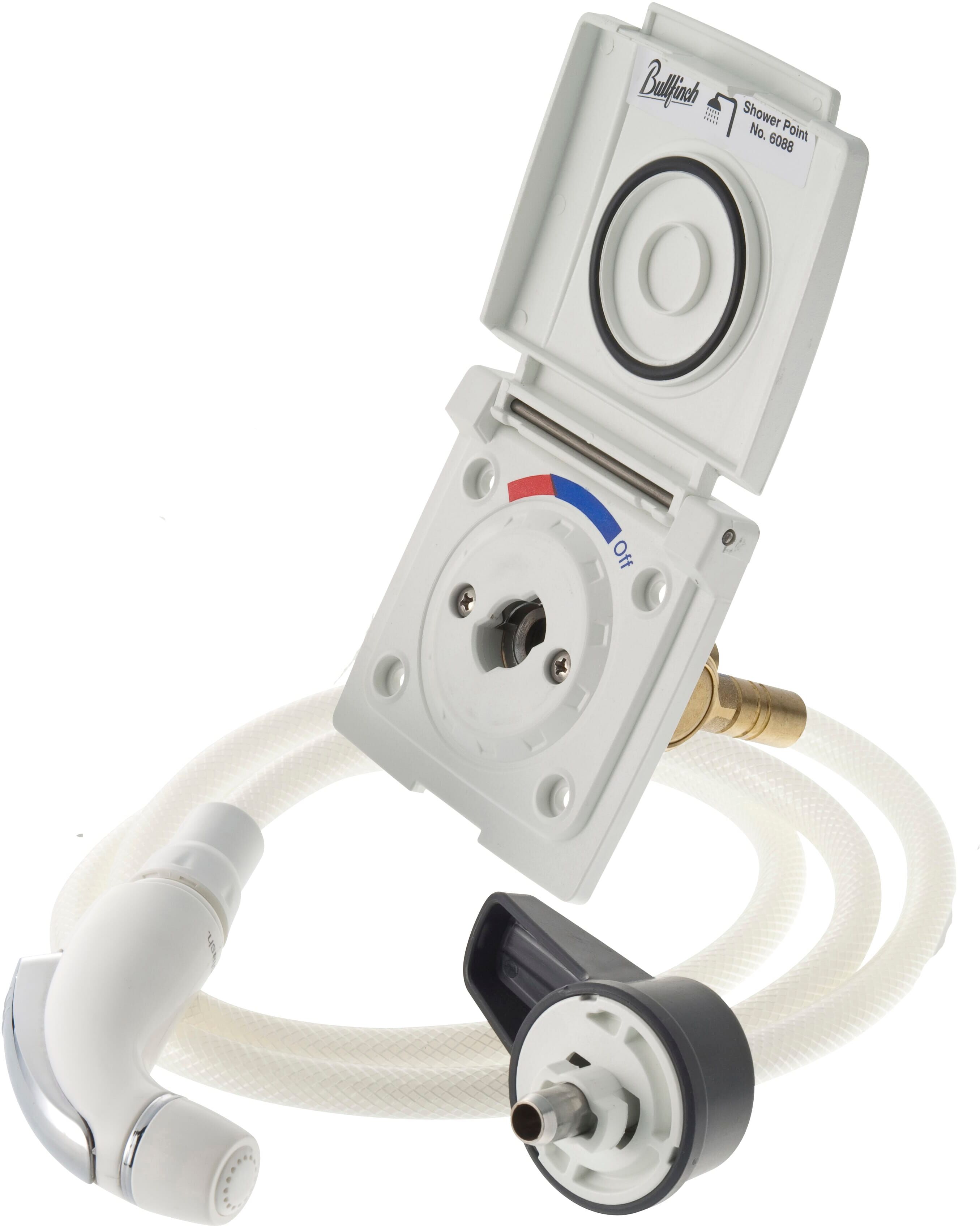
Bullfinch External Shower PointBullfinch External Shower Point – Convenient and Secure Outdoor Shower Solution The Bullfinch External Shower Point is a compact, lightweight, and stylish solution for adding an outdoor shower to your caravan, motorhome, or campervan. Complete with a shower head assembly, 1.5m shower hose, and fixing screws, this innovative design connects to your unit’s existing hot and cold water supplies, offering convenience and flexibility. Featuring push-and-turn activation for enhanced security, water flows only when the shower head assembly is inserted and locked in place. The swivel head with a fixed spray pattern and lever control provides a high flow rate for a comfortable showering experience. Key Features and Benefits69,42 £*Shipping: 5,00 £Secure redirect to the provider
-
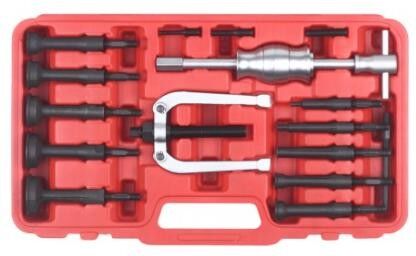
MAGNUS MGS01397 Internal / External PullerPackaging: Plastic Cassette; Quantity Unit: Kit; Number of tools: 15; Number of adapters: 10; Adapter enclosed: 8-11mm., 12-17mm., 18-23mm., 24-29mm., 30-34mm., 34-38mm., 39-43mm., 44-48mm., 49-53mm., 54-58mm.; Fitted Diameter [mm]: 8-5848,49 £*Shipping: 8,45 £Secure redirect to the provider
-
Canesten 2% External Cream (20g)Canesten 2% Cream is an external treatment for fungal skin infections, such as thrush. It helps to relieve symptoms of itching and irritation by tackling the cause of fungal infections. Do not suddenly stop using Canesten as this may cause the symptoms of the infection to return. Canesten 2% Cream is double strength cream contains Clotrimazole, the antifungal active ingredient that fights thrush. Order online from Pharmica, UK's leading online pharmacy. Fast and discreet delivery. Free prescription and no hidden fees. Award-winning customer service.7,99 £*Shipping: 2,90 £Secure redirect to the provider
-
How thick is the external thermal insulation system (ETICS)?
The thickness of the external thermal insulation system (ETICS) can vary depending on the specific requirements of the building and the insulation material being used. However, in general, the thickness of the insulation layer in an ETICS can range from 50mm to 200mm. Thicker insulation layers provide better thermal performance and energy efficiency, but they also require more space and can be more expensive to install. The thickness of the ETICS should be determined based on the specific needs of the building and the desired level of insulation. **
-
What is Neopor for external thermal insulation systems (ETICS)?
Neopor is a type of insulation material used in External Thermal Insulation Systems (ETICS). It is a type of expanded polystyrene (EPS) that contains graphite particles, which enhance its thermal insulation properties. Neopor is commonly used in ETICS to improve the energy efficiency of buildings by reducing heat loss through the walls. Its high insulation performance and durability make it a popular choice for external insulation systems. **
-
How does the external insulation of semi-detached houses work?
External insulation of semi-detached houses involves adding a layer of insulation material to the exterior walls of the building. This helps to prevent heat loss through the walls, keeping the interior of the house warmer and reducing the need for heating. The insulation material acts as a barrier, reducing the transfer of heat through the walls and improving the overall energy efficiency of the building. Additionally, external insulation can also help to improve the appearance of the house and protect the existing wall structure from weather damage. **
-
What is Neopor for external thermal insulation composite systems (ETICS)?
Neopor is a type of insulation material used in External Thermal Insulation Composite Systems (ETICS). It is a high-performance expandable polystyrene (EPS) material that provides excellent thermal insulation properties. Neopor is often used in ETICS to improve the energy efficiency of buildings by reducing heat loss through the walls. It is lightweight, easy to install, and can help to lower energy costs by maintaining a comfortable indoor temperature. **
Similar search terms for External
-
How do you reinforce external thermal insulation composite systems (ETICS)?
External thermal insulation composite systems (ETICS) can be reinforced by using a variety of materials such as fiberglass mesh, carbon fiber mesh, or polyester mesh. These materials are embedded into the base coat of the system to provide additional strength and stability. Proper installation techniques, including ensuring the mesh is fully embedded and using the correct adhesive, are also important in reinforcing ETICS. Regular maintenance and inspections can help identify any areas that may need reinforcement or repair to ensure the system remains effective in providing thermal insulation. **
-
What is the strength of the external thermal insulation system (ETICS)?
The strength of the external thermal insulation system (ETICS) lies in its ability to significantly improve the energy efficiency of buildings by reducing heat loss through the exterior walls. This system also helps in regulating indoor temperatures, leading to lower energy consumption for heating and cooling. Additionally, ETICS can enhance the overall durability and weather resistance of the building facade, providing long-term protection against moisture and environmental factors. **
-
How is the external thermal insulation system (ETICS) applied to brick stones?
The external thermal insulation system (ETICS) is applied to brick stones by first preparing the surface of the bricks by cleaning and repairing any damages. A layer of adhesive mortar is then applied to the bricks, followed by the installation of insulation boards. These boards are then covered with a reinforcing mesh and another layer of adhesive mortar. Finally, a finishing coat is applied to complete the system, providing both thermal insulation and protection to the brick surface. **
-
How is the external thermal insulation system (ETICS) applied on brick stones?
The external thermal insulation system (ETICS) is applied on brick stones by first preparing the surface by cleaning and removing any dirt or debris. A base coat is then applied to the bricks to create a smooth and even surface for the insulation system. Next, the insulation boards are fixed onto the bricks using adhesive or mechanical fixings. Finally, a reinforcing mesh is embedded into a top coat of adhesive, which is then applied over the insulation boards to provide additional strength and protection. **
* All prices are inclusive of VAT and, if applicable, plus shipping costs. The offer information is based on the details provided by the respective shop and is updated through automated processes. Real-time updates do not occur, so deviations can occur in individual cases. ** Note: Parts of this content were created by AI.