Buy dachsanierung.eu ?
We are moving the project
dachsanierung.eu .
Are you interested in purchasing the domain
dachsanierung.eu ?
domain@kv-gmbh.de · 0541-91531010
Buy dachsanierung.eu ?
How do you bandage a horse with heavy feathering?
When bandaging a horse with heavy feathering, it's important to carefully clean and dry the area before applying the bandage. Start by wrapping a layer of padding around the leg to provide cushioning and protection. Then, apply a non-stick gauze pad over any wounds or injuries, followed by a layer of cohesive bandage to secure the padding and gauze in place. Finally, use a self-adhering wrap to cover the entire bandage, making sure to avoid wrapping too tightly to allow for proper circulation. It's important to regularly check the bandage for any signs of irritation or swelling and to adjust or replace it as needed. **
Do only cold-blooded animals have feathering on their legs?
No, not only cold-blooded animals have feathering on their legs. Many warm-blooded animals, such as birds, also have feathers on their legs. Feathers on the legs can serve various purposes, such as insulation, protection, and display during courtship rituals. Therefore, the presence of feathering on the legs is not exclusive to cold-blooded animals. **


Similar search terms for Feathering
Top-Angebote
Products related to Feathering:
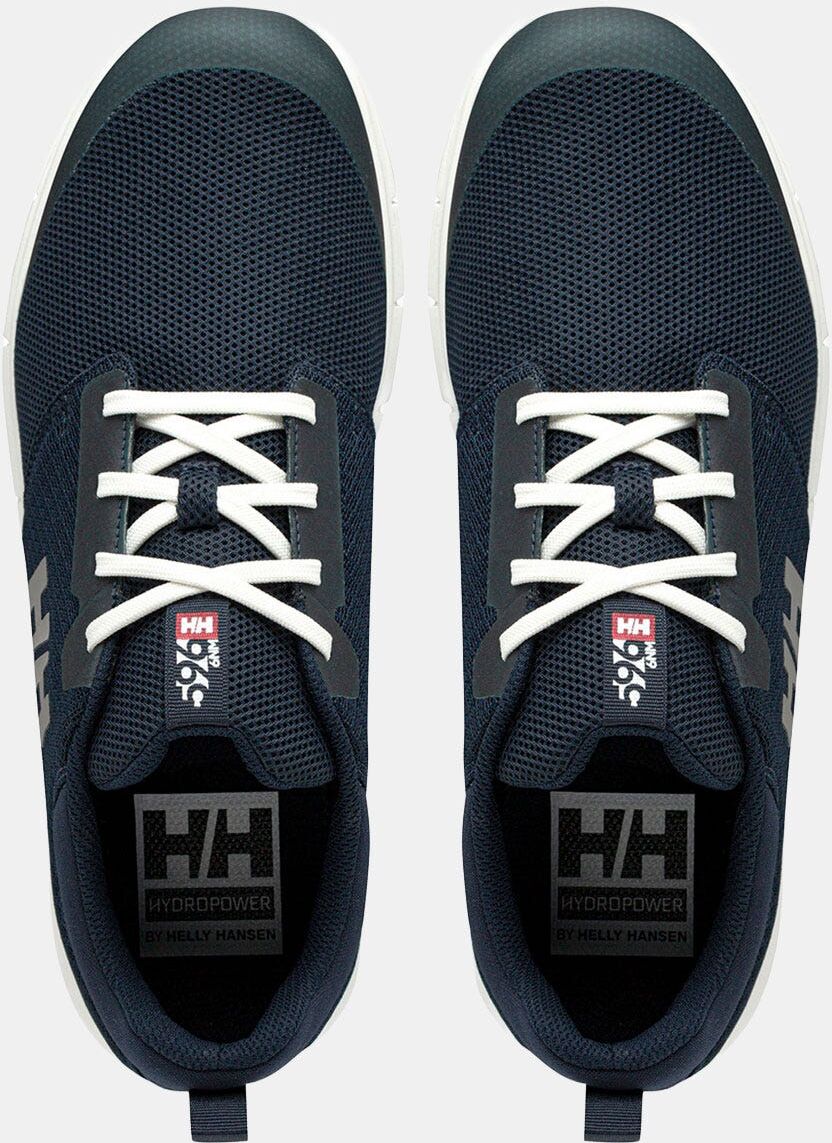
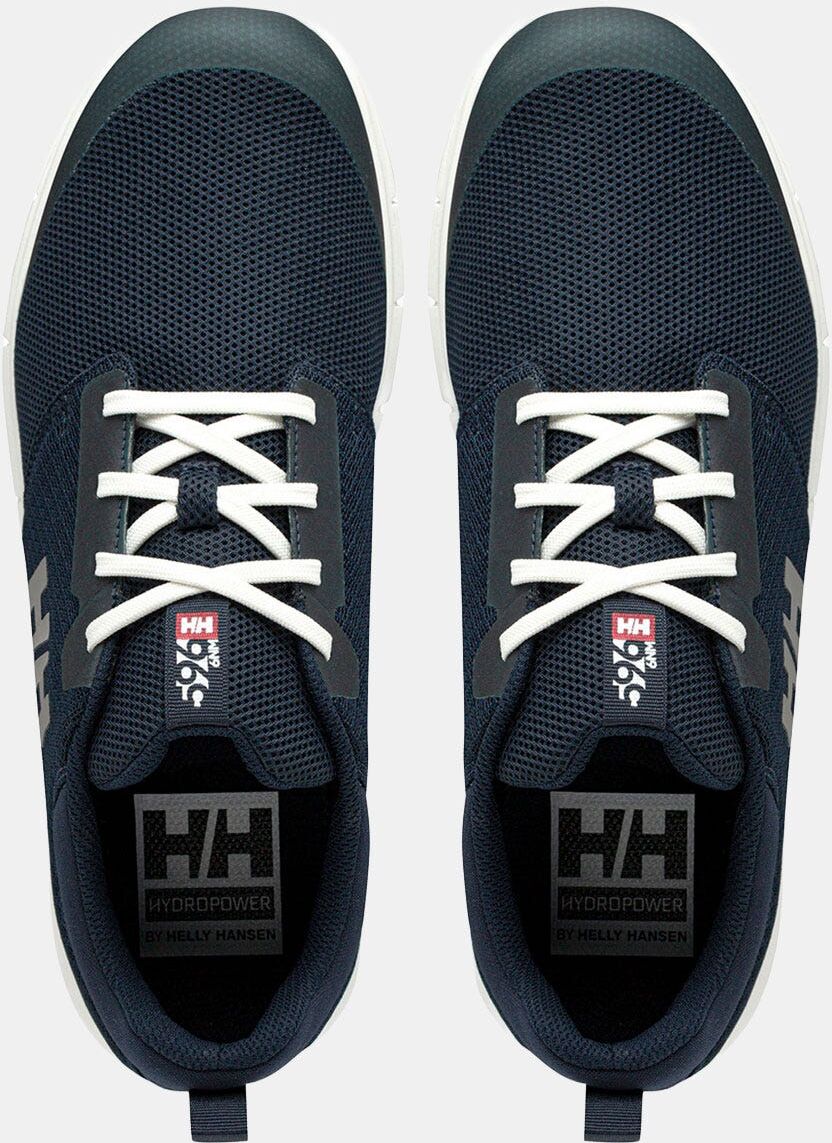
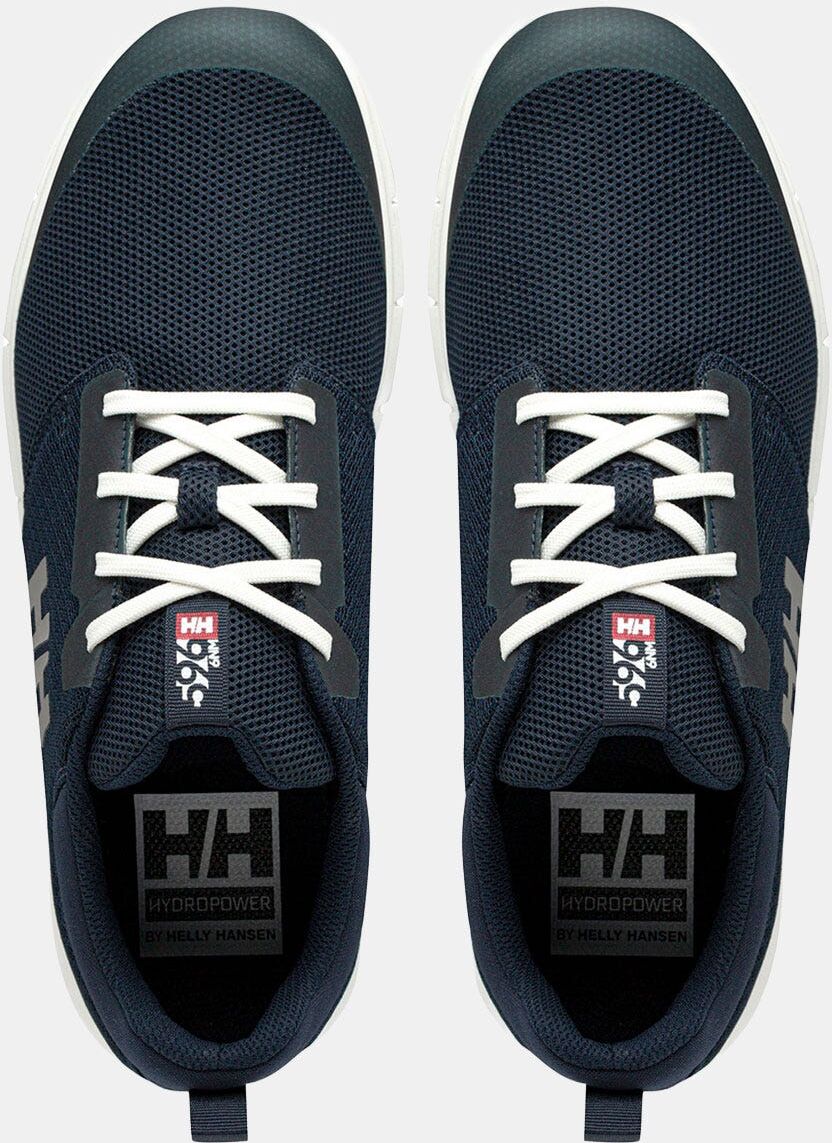

-
From which country does the punishment of tarring and feathering originate?
The punishment of tarring and feathering is believed to have originated in England during the medieval period. It was a form of public humiliation and punishment used to shame and punish individuals who were seen as committing crimes or going against societal norms. The practice later spread to the American colonies, where it was used as a form of vigilante justice during the Revolutionary War era. **
-
How much insulation is required for a facade renovation?
The amount of insulation required for a facade renovation depends on various factors such as the climate, building codes, and the existing condition of the building. In general, the insulation should be sufficient to meet the energy efficiency requirements of the building and to improve its thermal performance. It is important to consult with a professional architect or engineer to determine the specific insulation needs for a facade renovation project. **
-
What is the function of the roofing underlayment in roof insulation?
The roofing underlayment serves as a secondary layer of protection against water infiltration and helps to prevent leaks in the roof. It also provides an additional barrier against wind-driven rain and snow. In terms of insulation, the underlayment can help to improve the overall energy efficiency of the roof by reducing heat loss and preventing drafts. Additionally, it can provide a smooth surface for the installation of the final roofing material, such as shingles or tiles. **
-
Which measures for thermal insulation are recommended for roof renovation?
When renovating a roof for thermal insulation, it is recommended to consider adding insulation materials such as fiberglass, cellulose, or foam board. These materials can help reduce heat loss and improve energy efficiency. Additionally, sealing any gaps or cracks in the roof structure can prevent air leakage and further improve insulation. Lastly, installing a reflective roof coating can help reduce heat absorption and keep the interior of the building cooler. **


What sizes of gutters are available?
Gutters are typically available in standard sizes of 5 inches and 6 inches. The 5-inch gutters are commonly used for residential properties, while the 6-inch gutters are often used for commercial buildings or homes with larger roofs. It is important to choose the appropriate size of gutters based on the size of the roof and the amount of rainfall in the area to ensure proper drainage and prevent water damage. **
What is the nominal width of gutters?
The nominal width of gutters typically ranges from 4 inches to 7 inches. The width of gutters is an important factor in determining how much water they can handle during heavy rainfall. It is important to choose the appropriate width of gutters based on the size of the roof and the amount of rainfall in the area to ensure proper drainage and prevent water damage to the property. **
Top-Angebote
Products related to Feathering:
-
How do you bandage a horse with heavy feathering?
When bandaging a horse with heavy feathering, it's important to carefully clean and dry the area before applying the bandage. Start by wrapping a layer of padding around the leg to provide cushioning and protection. Then, apply a non-stick gauze pad over any wounds or injuries, followed by a layer of cohesive bandage to secure the padding and gauze in place. Finally, use a self-adhering wrap to cover the entire bandage, making sure to avoid wrapping too tightly to allow for proper circulation. It's important to regularly check the bandage for any signs of irritation or swelling and to adjust or replace it as needed. **
-
Do only cold-blooded animals have feathering on their legs?
No, not only cold-blooded animals have feathering on their legs. Many warm-blooded animals, such as birds, also have feathers on their legs. Feathers on the legs can serve various purposes, such as insulation, protection, and display during courtship rituals. Therefore, the presence of feathering on the legs is not exclusive to cold-blooded animals. **
-
From which country does the punishment of tarring and feathering originate?
The punishment of tarring and feathering is believed to have originated in England during the medieval period. It was a form of public humiliation and punishment used to shame and punish individuals who were seen as committing crimes or going against societal norms. The practice later spread to the American colonies, where it was used as a form of vigilante justice during the Revolutionary War era. **
-
How much insulation is required for a facade renovation?
The amount of insulation required for a facade renovation depends on various factors such as the climate, building codes, and the existing condition of the building. In general, the insulation should be sufficient to meet the energy efficiency requirements of the building and to improve its thermal performance. It is important to consult with a professional architect or engineer to determine the specific insulation needs for a facade renovation project. **
Similar search terms for Feathering
-
What is the function of the roofing underlayment in roof insulation?
The roofing underlayment serves as a secondary layer of protection against water infiltration and helps to prevent leaks in the roof. It also provides an additional barrier against wind-driven rain and snow. In terms of insulation, the underlayment can help to improve the overall energy efficiency of the roof by reducing heat loss and preventing drafts. Additionally, it can provide a smooth surface for the installation of the final roofing material, such as shingles or tiles. **
-
Which measures for thermal insulation are recommended for roof renovation?
When renovating a roof for thermal insulation, it is recommended to consider adding insulation materials such as fiberglass, cellulose, or foam board. These materials can help reduce heat loss and improve energy efficiency. Additionally, sealing any gaps or cracks in the roof structure can prevent air leakage and further improve insulation. Lastly, installing a reflective roof coating can help reduce heat absorption and keep the interior of the building cooler. **
-
What sizes of gutters are available?
Gutters are typically available in standard sizes of 5 inches and 6 inches. The 5-inch gutters are commonly used for residential properties, while the 6-inch gutters are often used for commercial buildings or homes with larger roofs. It is important to choose the appropriate size of gutters based on the size of the roof and the amount of rainfall in the area to ensure proper drainage and prevent water damage. **
-
What is the nominal width of gutters?
The nominal width of gutters typically ranges from 4 inches to 7 inches. The width of gutters is an important factor in determining how much water they can handle during heavy rainfall. It is important to choose the appropriate width of gutters based on the size of the roof and the amount of rainfall in the area to ensure proper drainage and prevent water damage to the property. **
* All prices are inclusive of VAT and, if applicable, plus shipping costs. The offer information is based on the details provided by the respective shop and is updated through automated processes. Real-time updates do not occur, so deviations can occur in individual cases. ** Note: Parts of this content were created by AI.