Buy dachsanierung.eu ?
We are moving the project
dachsanierung.eu .
Are you interested in purchasing the domain
dachsanierung.eu ?
domain@kv-gmbh.de · 0541-91531010
Buy dachsanierung.eu ?
Which atomic shells do lanthanides and actinides fill?
Lanthanides fill the 4f subshell, while actinides fill the 5f subshell. These subshells are part of the inner transition metals and are located in the f-block of the periodic table. The filling of these subshells occurs after the filling of the 6s and 5d subshells for lanthanides and actinides, respectively. **
What is the electron configuration of the lanthanides?
The electron configuration of the lanthanides is [Xe] 4f1-14 5d0-1 6s2. This configuration represents the filling of the 4f sublevel, which occurs as the atomic number increases from 58 to 71. The 4f sublevel can hold a maximum of 14 electrons, and as the lanthanide series progresses, the 4f sublevel fills up with electrons. This unique electron configuration gives the lanthanides their characteristic properties, such as similar chemical behavior and the ability to form colorful compounds. **


Similar search terms for Lanthanides
Top-Angebote
Products related to Lanthanides:
-
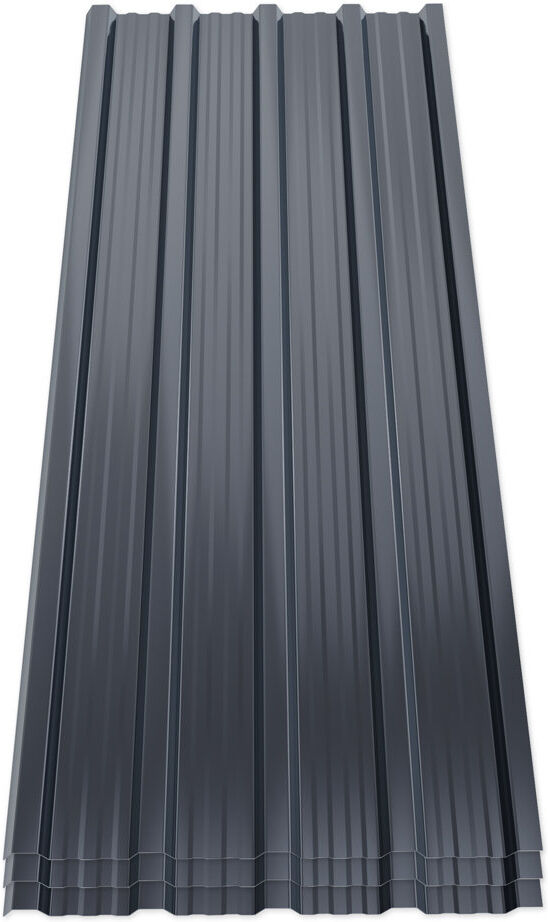
Symple Stuff Metal Roofing KitThis pack of 12 corrugated roof sheets is ideal for all domestic, agricultural, and industrial buildings. The roof sheets are made from rust-proof galvanized metal and have a high load capacity which is perfect for general roofing and walling applications. These roof sheets are 115cm x 45cm in size and 0.3mm in thickness. They are suitable for sheds, workshops, greenhouses, barns, carports, huts, kennels, garages, etc. Note: Please wear gloves when using this product to prevent scratching the fingers. Symple Stuff46,99 £*Shipping: 4,99 £Secure redirect to the provider
-
Dakota Fields Metal Roofing KitAn economical and robust solution for any application, such as sheds, awnings, greenhouses, or garage walls and cladding! The lightweight single-layer roof sheets have no pre-drilled holes, offering flexibility to punch holes for installation according to specific needs, enabling super-fast and easy installation. Dakota Fields64,99 £*Shipping: 0,00 £Secure redirect to the provider
-
Corega Cleansing Tablets Orthodontic and Gutters 36 un.A food supplement. Orthodontic and Drip Cleaning Tablets allow you to eliminate 99.9% of bacteria, while also helping to remove difficult spots and maintain the original color. Its composition is smooth for the material that constitutes the dental gutters and orthodontic appliances, preserving its integrity throughout the uses.8,88 £*Shipping: 5,28 £Secure redirect to the provider



-
How are transition metals, lanthanides, and actinides actually formed?
Transition metals, lanthanides, and actinides are formed through nuclear fusion processes in the cores of stars. During the later stages of a star's life cycle, heavier elements are produced through fusion reactions, including transition metals, lanthanides, and actinides. When a massive star reaches the end of its life and undergoes a supernova explosion, these elements are scattered into space, eventually forming new stars and planetary systems where these elements are incorporated into their composition. **
-
How are the transition metals, lanthanides, and actinides actually formed?
Transition metals, lanthanides, and actinides are formed through nuclear fusion processes in the cores of stars. During the later stages of a star's life cycle, heavier elements are formed through fusion reactions, including the elements that make up the transition metals, lanthanides, and actinides. These elements are then released into space through processes like supernova explosions, where they can eventually become part of new stars, planets, and other celestial bodies. Over billions of years, these elements have been incorporated into the Earth's crust, where they can be found in various minerals and ores. **
-
How do secondary groups or even the lanthanides and actinides actually form?
Secondary groups are formed when the outermost electron shell of an atom is not completely filled, leading to the formation of chemical bonds with other atoms to achieve stability. Lanthanides and actinides are part of the inner transition elements and are characterized by the filling of the 4f and 5f orbitals, respectively. These elements form due to the unique electronic configurations of their outermost electron shells, allowing them to exhibit a wide range of chemical properties and form complex compounds. **
-
With which electrons do the actinides and the lanthanides fill their shells?
The actinides and lanthanides fill their shells with f-electrons. These are the inner transition metals, and their unique electronic configuration allows them to fill their outermost shells with f-electrons. This gives them their characteristic properties, such as high reactivity and the ability to form complex compounds. **


How are the transition metals or even the lanthanides and actinides actually formed?
Transition metals, lanthanides, and actinides are formed through nuclear fusion processes in the cores of massive stars. During the later stages of a star's life, when it runs out of hydrogen fuel, it begins to fuse heavier elements like helium, carbon, and oxygen. This fusion process continues, creating even heavier elements like iron, nickel, and zinc, which eventually lead to the formation of transition metals, lanthanides, and actinides. These elements are then dispersed into space through supernova explosions, enriching the interstellar medium and providing the raw materials for the formation of new stars and planets. **
How can I determine the valence of the lanthanides and the transition metals from this periodic table?
The valence of the lanthanides and transition metals can be determined by looking at their group number in the periodic table. Lanthanides are located in the f-block of the periodic table and have a valence of +3. Transition metals are located in the d-block of the periodic table and their valence can vary, but is often determined by their group number. For example, elements in group 1 have a valence of +1, while elements in group 2 have a valence of +2. **
Top-Angebote
Products related to Lanthanides:
-
Labrains Renovation Sculptor Cream 50mLA skin-care product for wrinkles and signs of ageing. This product for all types of aging skin. A rich and delicately scented cream has been developed to deeply moisturize and provide high protection. This c ream not only safeguards the skin and its microbiota but also enhances its natural defense system, minimizing the effects of daily and climate-induced stress.70,82 £*Shipping: 5,22 £Secure redirect to the provider
-
Symple Stuff Metal Roofing KitThis pack of 12 corrugated roof sheets is ideal for all domestic, agricultural, and industrial buildings. The roof sheets are made from rust-proof galvanized metal and have a high load capacity which is perfect for general roofing and walling applications. These roof sheets are 115cm x 45cm in size and 0.3mm in thickness. They are suitable for sheds, workshops, greenhouses, barns, carports, huts, kennels, garages, etc. Note: Please wear gloves when using this product to prevent scratching the fingers. Symple Stuff46,99 £*Shipping: 4,99 £Secure redirect to the provider
-
Dakota Fields Metal Roofing KitAn economical and robust solution for any application, such as sheds, awnings, greenhouses, or garage walls and cladding! The lightweight single-layer roof sheets have no pre-drilled holes, offering flexibility to punch holes for installation according to specific needs, enabling super-fast and easy installation. Dakota Fields64,99 £*Shipping: 0,00 £Secure redirect to the provider
-
Which atomic shells do lanthanides and actinides fill?
Lanthanides fill the 4f subshell, while actinides fill the 5f subshell. These subshells are part of the inner transition metals and are located in the f-block of the periodic table. The filling of these subshells occurs after the filling of the 6s and 5d subshells for lanthanides and actinides, respectively. **
-
What is the electron configuration of the lanthanides?
The electron configuration of the lanthanides is [Xe] 4f1-14 5d0-1 6s2. This configuration represents the filling of the 4f sublevel, which occurs as the atomic number increases from 58 to 71. The 4f sublevel can hold a maximum of 14 electrons, and as the lanthanide series progresses, the 4f sublevel fills up with electrons. This unique electron configuration gives the lanthanides their characteristic properties, such as similar chemical behavior and the ability to form colorful compounds. **
-
How are transition metals, lanthanides, and actinides actually formed?
Transition metals, lanthanides, and actinides are formed through nuclear fusion processes in the cores of stars. During the later stages of a star's life cycle, heavier elements are produced through fusion reactions, including transition metals, lanthanides, and actinides. When a massive star reaches the end of its life and undergoes a supernova explosion, these elements are scattered into space, eventually forming new stars and planetary systems where these elements are incorporated into their composition. **
-
How are the transition metals, lanthanides, and actinides actually formed?
Transition metals, lanthanides, and actinides are formed through nuclear fusion processes in the cores of stars. During the later stages of a star's life cycle, heavier elements are formed through fusion reactions, including the elements that make up the transition metals, lanthanides, and actinides. These elements are then released into space through processes like supernova explosions, where they can eventually become part of new stars, planets, and other celestial bodies. Over billions of years, these elements have been incorporated into the Earth's crust, where they can be found in various minerals and ores. **
Similar search terms for Lanthanides
-
Corega Cleansing Tablets Orthodontic and Gutters 36 un.A food supplement. Orthodontic and Drip Cleaning Tablets allow you to eliminate 99.9% of bacteria, while also helping to remove difficult spots and maintain the original color. Its composition is smooth for the material that constitutes the dental gutters and orthodontic appliances, preserving its integrity throughout the uses.8,88 £*Shipping: 5,28 £Secure redirect to the provider
-
Segle Gentle Volcanic Exfoliator Cellular Renovation 50mLA skin-care product for dull skin. From the first application, the gentle volcanic exfoliant improves the appearance of the skin by removing dead cells from the epidermis and excess oil while stimulating cell renewal. This mechanical peeling also brings luminosity to dull or lackluster skin. The skin becomes soft, radiant, and prepared for subsequent treatments.12,03 £*Shipping: 5,22 £Secure redirect to the provider
-
Arena Renovation Pc Steam CD Key GlobalArena Renovation: A Game of Restoration Arena Renovation is a video game where you take on the role of a one-person renovation crew. Your mission? To restore dilapidated sports facilities to their former glory. Restoration Tasks : Engage in a variety of tasks such as painting walls, renovating floors, replacing broken chairs, and repairing electrical wiring. Customization : Fill each arena with hundreds of different items, allowing for a high degree of customization. Skill and Tools : Use different skills and tools to assess and meet the needs of each facility. Challenges : The game offers many challenges that require creativity, manual dexterity, and budget planning.6,46 £*Shipping: 0,00 £Secure redirect to the provider
-
How do secondary groups or even the lanthanides and actinides actually form?
Secondary groups are formed when the outermost electron shell of an atom is not completely filled, leading to the formation of chemical bonds with other atoms to achieve stability. Lanthanides and actinides are part of the inner transition elements and are characterized by the filling of the 4f and 5f orbitals, respectively. These elements form due to the unique electronic configurations of their outermost electron shells, allowing them to exhibit a wide range of chemical properties and form complex compounds. **
-
With which electrons do the actinides and the lanthanides fill their shells?
The actinides and lanthanides fill their shells with f-electrons. These are the inner transition metals, and their unique electronic configuration allows them to fill their outermost shells with f-electrons. This gives them their characteristic properties, such as high reactivity and the ability to form complex compounds. **
-
How are the transition metals or even the lanthanides and actinides actually formed?
Transition metals, lanthanides, and actinides are formed through nuclear fusion processes in the cores of massive stars. During the later stages of a star's life, when it runs out of hydrogen fuel, it begins to fuse heavier elements like helium, carbon, and oxygen. This fusion process continues, creating even heavier elements like iron, nickel, and zinc, which eventually lead to the formation of transition metals, lanthanides, and actinides. These elements are then dispersed into space through supernova explosions, enriching the interstellar medium and providing the raw materials for the formation of new stars and planets. **
-
How can I determine the valence of the lanthanides and the transition metals from this periodic table?
The valence of the lanthanides and transition metals can be determined by looking at their group number in the periodic table. Lanthanides are located in the f-block of the periodic table and have a valence of +3. Transition metals are located in the d-block of the periodic table and their valence can vary, but is often determined by their group number. For example, elements in group 1 have a valence of +1, while elements in group 2 have a valence of +2. **
* All prices are inclusive of VAT and, if applicable, plus shipping costs. The offer information is based on the details provided by the respective shop and is updated through automated processes. Real-time updates do not occur, so deviations can occur in individual cases. ** Note: Parts of this content were created by AI.