Buy dachsanierung.eu ?
We are moving the project
dachsanierung.eu .
Are you interested in purchasing the domain
dachsanierung.eu ?
domain@kv-gmbh.de · 0541-91531010
Buy dachsanierung.eu ?
What are orchestral arrangements?
Orchestral arrangements refer to the musical composition and organization of a piece of music for an orchestra. This involves determining which instruments will play which parts, as well as the overall structure and dynamics of the piece. Orchestral arrangements can involve adapting a piece of music originally written for a different ensemble or creating a new arrangement of an existing composition. The goal of orchestral arrangements is to showcase the unique timbres and capabilities of the various instruments in the orchestra while creating a cohesive and expressive musical performance. **
What is an orchestral musician?
An orchestral musician is a professional musician who plays a musical instrument as part of an orchestra. They are highly skilled in their instrument and are able to perform a wide range of musical styles and genres. Orchestral musicians work together with other musicians in the orchestra to create a cohesive and harmonious sound, following the direction of a conductor. They often perform in concert halls, theaters, and other venues, bringing music to audiences around the world. **


Similar search terms for Orchestral
Top-Angebote
Products related to Orchestral:
-
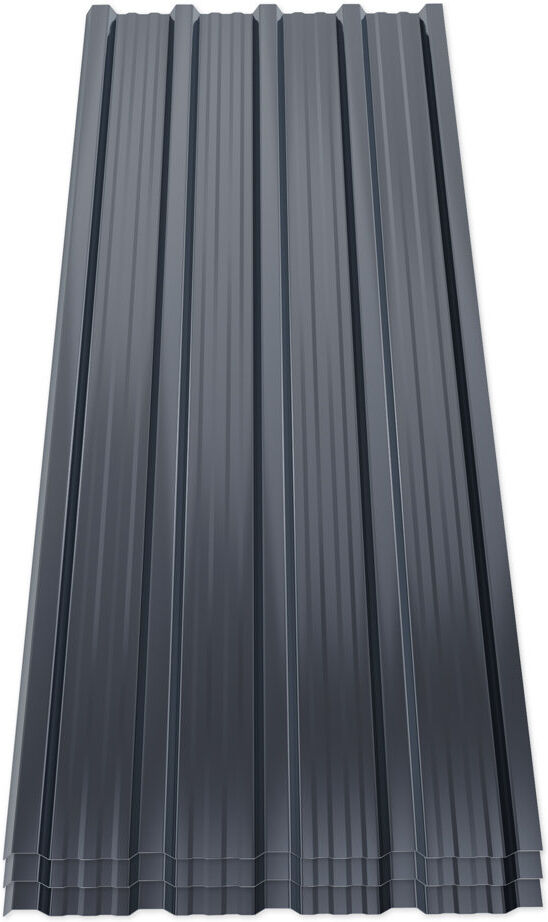
Symple Stuff Metal Roofing KitThis pack of 12 corrugated roof sheets is ideal for all domestic, agricultural, and industrial buildings. The roof sheets are made from rust-proof galvanized metal and have a high load capacity which is perfect for general roofing and walling applications. These roof sheets are 115cm x 45cm in size and 0.3mm in thickness. They are suitable for sheds, workshops, greenhouses, barns, carports, huts, kennels, garages, etc. Note: Please wear gloves when using this product to prevent scratching the fingers. Symple Stuff42,99 £*Shipping: 4,99 £Secure redirect to the provider
-
Dakota Fields Metal Roofing KitAn economical and robust solution for any application, such as sheds, awnings, greenhouses, or garage walls and cladding! The lightweight single-layer roof sheets have no pre-drilled holes, offering flexibility to punch holes for installation according to specific needs, enabling super-fast and easy installation. Dakota Fields59,99 £*Shipping: 0,00 £Secure redirect to the provider
-
Corega Cleansing Tablets Orthodontic and Gutters 36 un.A food supplement. Orthodontic and Drip Cleaning Tablets allow you to eliminate 99.9% of bacteria, while also helping to remove difficult spots and maintain the original color. Its composition is smooth for the material that constitutes the dental gutters and orthodontic appliances, preserving its integrity throughout the uses.8,88 £*Shipping: 5,28 £Secure redirect to the provider



-
What are orchestral cyclic large forms?
Orchestral cyclic large forms are musical compositions that consist of multiple movements or sections that are thematically related and interconnected. These forms often feature recurring motifs or themes that unify the different parts of the composition. The cyclic nature of these forms allows for a sense of cohesion and continuity throughout the entire piece. Examples of orchestral cyclic large forms include symphonies, concertos, and tone poems. **
-
How can one compose virtual orchestral music?
To compose virtual orchestral music, one can start by choosing a digital audio workstation (DAW) software that supports orchestral sample libraries. Next, select high-quality orchestral sample libraries that include a variety of instruments such as strings, brass, woodwinds, and percussion. Then, familiarize oneself with the different articulations and techniques available for each instrument to create realistic and expressive performances. Finally, arrange the orchestral parts, paying attention to dynamics, phrasing, and balance to achieve a cohesive and emotive composition. **
-
How can one compose orchestral digital music?
To compose orchestral digital music, one can start by selecting a digital audio workstation (DAW) software that supports orchestral sounds and instruments. Next, they can choose high-quality orchestral sample libraries or virtual instruments to create realistic orchestral sounds. It is important to have a good understanding of orchestration and music theory to effectively arrange the different instruments in the composition. Experimenting with different combinations of instruments, melodies, harmonies, and rhythms can help in creating a dynamic and engaging orchestral piece. **
-
What is the orchestral lineup in classical music?
The orchestral lineup in classical music typically consists of four main sections: strings, woodwinds, brass, and percussion. Each section is made up of various instruments, with the strings section including instruments such as violins, violas, cellos, and double basses; the woodwinds section including instruments like flutes, clarinets, oboes, and bassoons; the brass section including instruments like trumpets, trombones, French horns, and tubas; and the percussion section including instruments like timpani, snare drums, cymbals, and xylophones. Additionally, some orchestras may also include other instruments such as harps, keyboards, and additional percussion instruments. **


What is the orchestral instrumentation in classical music?
Orchestral instrumentation in classical music typically includes four main families of instruments: strings (violins, violas, cellos, double basses), woodwinds (flutes, oboes, clarinets, bassoons), brass (trumpets, French horns, trombones, tuba), and percussion (timpani, snare drum, cymbals). Each family of instruments plays a unique role in creating the rich and diverse sound of the orchestra. The combination of these instruments allows composers to create a wide range of textures and dynamics in their compositions, making orchestral music one of the most versatile and expressive forms of music. **
Can you please give a presentation about orchestral instruments?
Orchestral instruments are divided into four main families: strings, woodwinds, brass, and percussion. String instruments include the violin, viola, cello, and double bass, which produce sound by vibrating strings. Woodwind instruments, such as the flute, clarinet, and oboe, create sound by blowing air through a mouthpiece. Brass instruments like the trumpet, trombone, and French horn produce sound by buzzing lips into a mouthpiece. Percussion instruments, including the timpani, snare drum, and cymbals, produce sound by being struck or shaken. Each family of instruments plays a unique role in an orchestra, coming together to create a harmonious and dynamic musical experience. **
Top-Angebote
Products related to Orchestral:
-
Labrains Renovation Sculptor Cream 50mLA skin-care product for wrinkles and signs of ageing. This product for all types of aging skin. A rich and delicately scented cream has been developed to deeply moisturize and provide high protection. This c ream not only safeguards the skin and its microbiota but also enhances its natural defense system, minimizing the effects of daily and climate-induced stress.70,82 £*Shipping: 5,22 £Secure redirect to the provider
-
Symple Stuff Metal Roofing KitThis pack of 12 corrugated roof sheets is ideal for all domestic, agricultural, and industrial buildings. The roof sheets are made from rust-proof galvanized metal and have a high load capacity which is perfect for general roofing and walling applications. These roof sheets are 115cm x 45cm in size and 0.3mm in thickness. They are suitable for sheds, workshops, greenhouses, barns, carports, huts, kennels, garages, etc. Note: Please wear gloves when using this product to prevent scratching the fingers. Symple Stuff42,99 £*Shipping: 4,99 £Secure redirect to the provider
-
Dakota Fields Metal Roofing KitAn economical and robust solution for any application, such as sheds, awnings, greenhouses, or garage walls and cladding! The lightweight single-layer roof sheets have no pre-drilled holes, offering flexibility to punch holes for installation according to specific needs, enabling super-fast and easy installation. Dakota Fields59,99 £*Shipping: 0,00 £Secure redirect to the provider
-
What are orchestral arrangements?
Orchestral arrangements refer to the musical composition and organization of a piece of music for an orchestra. This involves determining which instruments will play which parts, as well as the overall structure and dynamics of the piece. Orchestral arrangements can involve adapting a piece of music originally written for a different ensemble or creating a new arrangement of an existing composition. The goal of orchestral arrangements is to showcase the unique timbres and capabilities of the various instruments in the orchestra while creating a cohesive and expressive musical performance. **
-
What is an orchestral musician?
An orchestral musician is a professional musician who plays a musical instrument as part of an orchestra. They are highly skilled in their instrument and are able to perform a wide range of musical styles and genres. Orchestral musicians work together with other musicians in the orchestra to create a cohesive and harmonious sound, following the direction of a conductor. They often perform in concert halls, theaters, and other venues, bringing music to audiences around the world. **
-
What are orchestral cyclic large forms?
Orchestral cyclic large forms are musical compositions that consist of multiple movements or sections that are thematically related and interconnected. These forms often feature recurring motifs or themes that unify the different parts of the composition. The cyclic nature of these forms allows for a sense of cohesion and continuity throughout the entire piece. Examples of orchestral cyclic large forms include symphonies, concertos, and tone poems. **
-
How can one compose virtual orchestral music?
To compose virtual orchestral music, one can start by choosing a digital audio workstation (DAW) software that supports orchestral sample libraries. Next, select high-quality orchestral sample libraries that include a variety of instruments such as strings, brass, woodwinds, and percussion. Then, familiarize oneself with the different articulations and techniques available for each instrument to create realistic and expressive performances. Finally, arrange the orchestral parts, paying attention to dynamics, phrasing, and balance to achieve a cohesive and emotive composition. **
Similar search terms for Orchestral
-
Corega Cleansing Tablets Orthodontic and Gutters 36 un.A food supplement. Orthodontic and Drip Cleaning Tablets allow you to eliminate 99.9% of bacteria, while also helping to remove difficult spots and maintain the original color. Its composition is smooth for the material that constitutes the dental gutters and orthodontic appliances, preserving its integrity throughout the uses.8,88 £*Shipping: 5,28 £Secure redirect to the provider
-
Arena Renovation Pc Steam CD Key GlobalArena Renovation: A Game of Restoration Arena Renovation is a video game where you take on the role of a one-person renovation crew. Your mission? To restore dilapidated sports facilities to their former glory. Restoration Tasks : Engage in a variety of tasks such as painting walls, renovating floors, replacing broken chairs, and repairing electrical wiring. Customization : Fill each arena with hundreds of different items, allowing for a high degree of customization. Skill and Tools : Use different skills and tools to assess and meet the needs of each facility. Challenges : The game offers many challenges that require creativity, manual dexterity, and budget planning.6,46 £*Shipping: 0,00 £Secure redirect to the provider
-
Segle Gentle Volcanic Exfoliator Cellular Renovation 50mLA skin-care product for dull skin. From the first application, the gentle volcanic exfoliant improves the appearance of the skin by removing dead cells from the epidermis and excess oil while stimulating cell renewal. This mechanical peeling also brings luminosity to dull or lackluster skin. The skin becomes soft, radiant, and prepared for subsequent treatments.12,03 £*Shipping: 5,22 £Secure redirect to the provider
-
How can one compose orchestral digital music?
To compose orchestral digital music, one can start by selecting a digital audio workstation (DAW) software that supports orchestral sounds and instruments. Next, they can choose high-quality orchestral sample libraries or virtual instruments to create realistic orchestral sounds. It is important to have a good understanding of orchestration and music theory to effectively arrange the different instruments in the composition. Experimenting with different combinations of instruments, melodies, harmonies, and rhythms can help in creating a dynamic and engaging orchestral piece. **
-
What is the orchestral lineup in classical music?
The orchestral lineup in classical music typically consists of four main sections: strings, woodwinds, brass, and percussion. Each section is made up of various instruments, with the strings section including instruments such as violins, violas, cellos, and double basses; the woodwinds section including instruments like flutes, clarinets, oboes, and bassoons; the brass section including instruments like trumpets, trombones, French horns, and tubas; and the percussion section including instruments like timpani, snare drums, cymbals, and xylophones. Additionally, some orchestras may also include other instruments such as harps, keyboards, and additional percussion instruments. **
-
What is the orchestral instrumentation in classical music?
Orchestral instrumentation in classical music typically includes four main families of instruments: strings (violins, violas, cellos, double basses), woodwinds (flutes, oboes, clarinets, bassoons), brass (trumpets, French horns, trombones, tuba), and percussion (timpani, snare drum, cymbals). Each family of instruments plays a unique role in creating the rich and diverse sound of the orchestra. The combination of these instruments allows composers to create a wide range of textures and dynamics in their compositions, making orchestral music one of the most versatile and expressive forms of music. **
-
Can you please give a presentation about orchestral instruments?
Orchestral instruments are divided into four main families: strings, woodwinds, brass, and percussion. String instruments include the violin, viola, cello, and double bass, which produce sound by vibrating strings. Woodwind instruments, such as the flute, clarinet, and oboe, create sound by blowing air through a mouthpiece. Brass instruments like the trumpet, trombone, and French horn produce sound by buzzing lips into a mouthpiece. Percussion instruments, including the timpani, snare drum, and cymbals, produce sound by being struck or shaken. Each family of instruments plays a unique role in an orchestra, coming together to create a harmonious and dynamic musical experience. **
* All prices are inclusive of VAT and, if applicable, plus shipping costs. The offer information is based on the details provided by the respective shop and is updated through automated processes. Real-time updates do not occur, so deviations can occur in individual cases. ** Note: Parts of this content were created by AI.