Buy dachsanierung.eu ?
We are moving the project
dachsanierung.eu .
Are you interested in purchasing the domain
dachsanierung.eu ?
domain@kv-gmbh.de · 0541-91531010
Buy dachsanierung.eu ?
What is the replication origin in DNA replication?
The replication origin is a specific sequence of DNA where the process of DNA replication begins. It is the site where the two strands of the DNA double helix are separated and the replication machinery is assembled. The replication origin is recognized by specific proteins that initiate the unwinding of the DNA and the synthesis of new DNA strands. Each DNA molecule has multiple replication origins to ensure that the entire genome is replicated efficiently. **
What is DNA replication?
DNA replication is the process by which a cell makes an identical copy of its DNA. This process is essential for cell division and the transmission of genetic information from one generation to the next. It involves the unwinding of the DNA double helix, the synthesis of new complementary strands using the existing strands as templates, and the proofreading and correction of any errors. DNA replication ensures that each new cell receives a complete and accurate set of genetic instructions. **


Similar search terms for Replication
Top-Angebote
Products related to Replication:
-
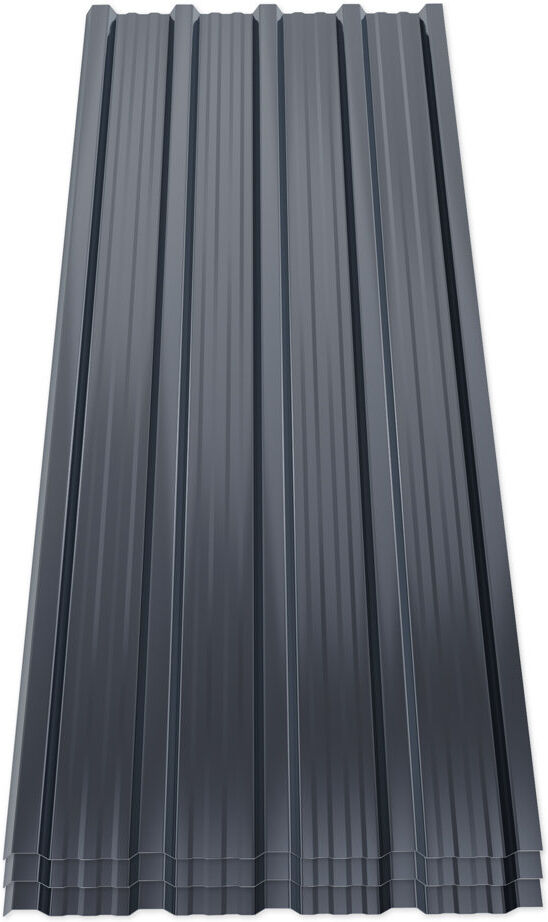
Symple Stuff Metal Roofing KitThis pack of 12 corrugated roof sheets is ideal for all domestic, agricultural, and industrial buildings. The roof sheets are made from rust-proof galvanized metal and have a high load capacity which is perfect for general roofing and walling applications. These roof sheets are 115cm x 45cm in size and 0.3mm in thickness. They are suitable for sheds, workshops, greenhouses, barns, carports, huts, kennels, garages, etc. Note: Please wear gloves when using this product to prevent scratching the fingers. Symple Stuff42,99 £*Shipping: 4,99 £Secure redirect to the provider
-
Dakota Fields Metal Roofing KitAn economical and robust solution for any application, such as sheds, awnings, greenhouses, or garage walls and cladding! The lightweight single-layer roof sheets have no pre-drilled holes, offering flexibility to punch holes for installation according to specific needs, enabling super-fast and easy installation. Dakota Fields59,99 £*Shipping: 0,00 £Secure redirect to the provider
-
Segle Gentle Volcanic Exfoliator Cellular Renovation 50mLA skin-care product for dull skin. From the first application, the gentle volcanic exfoliant improves the appearance of the skin by removing dead cells from the epidermis and excess oil while stimulating cell renewal. This mechanical peeling also brings luminosity to dull or lackluster skin. The skin becomes soft, radiant, and prepared for subsequent treatments.12,17 £*Shipping: 5,28 £Secure redirect to the provider



-
What is semiconservative replication?
Semiconservative replication is the process by which DNA is copied during cell division. In this process, the two strands of the DNA double helix separate, and each strand serves as a template for the synthesis of a new complementary strand. As a result, each new DNA molecule contains one original strand and one newly synthesized strand. This ensures that the genetic information is preserved and passed on to the next generation of cells. This process was first proposed by James Watson and Francis Crick in 1953. **
-
Where does DNA replication occur?
DNA replication occurs in the nucleus of eukaryotic cells and in the cytoplasm of prokaryotic cells. In eukaryotic cells, DNA replication takes place during the S phase of the cell cycle, when the DNA is duplicated to ensure that each daughter cell receives a complete set of genetic information. The process involves the unwinding of the DNA double helix, the synthesis of new DNA strands using existing strands as templates, and the proofreading and correction of errors. Overall, DNA replication is a fundamental process that ensures the accurate transmission of genetic information from one generation to the next. **
-
What is a replication bubble?
A replication bubble is a region of DNA where the double helix has been unwound and separated to allow for DNA replication to occur. It is formed by the action of helicase enzymes that unwind the DNA strands, creating two single-stranded templates for the replication process. The replication bubble expands as the replication machinery moves along the DNA, synthesizing new strands of DNA. Replication bubbles are a key feature of DNA replication and allow for the efficient and accurate copying of genetic information. **
-
How does DNA replication occur?
DNA replication occurs in a semi-conservative manner, where the two strands of the double helix are separated and each strand serves as a template for the synthesis of a new complementary strand. The enzyme helicase unwinds the double helix, creating two single strands. DNA polymerase then adds new nucleotides to each single strand, following the base-pairing rules (A with T, and C with G). This results in two identical double-stranded DNA molecules, each containing one original strand and one newly synthesized strand. **


What is RNA self-replication?
RNA self-replication is a process where RNA molecules are able to catalyze their own replication without the need for external enzymes. This ability is crucial for the early evolution of life on Earth, as it is believed to be a key step in the transition from prebiotic chemistry to the emergence of life. RNA self-replication involves the RNA molecule acting as both a template and an enzyme, allowing it to make copies of itself. This process is a fundamental aspect of the RNA world hypothesis, which suggests that RNA played a central role in the origin of life. **
How can one label DNA replication?
DNA replication can be labeled by incorporating a radioactive or fluorescent nucleotide into the newly synthesized DNA strands. This can be achieved by adding the labeled nucleotide to the culture medium of cells undergoing replication. The labeled nucleotide will be incorporated into the growing DNA strands, allowing the visualization and tracking of the replication process. Additionally, techniques such as autoradiography or fluorescence microscopy can be used to detect and analyze the labeled DNA strands. **
Top-Angebote
Products related to Replication:
-
Labrains Renovation Sculptor Cream 50mLA skin-care product for wrinkles and signs of ageing. This product for all types of aging skin. A rich and delicately scented cream has been developed to deeply moisturize and provide high protection. This c ream not only safeguards the skin and its microbiota but also enhances its natural defense system, minimizing the effects of daily and climate-induced stress.71,66 £*Shipping: 5,28 £Secure redirect to the provider
-
Symple Stuff Metal Roofing KitThis pack of 12 corrugated roof sheets is ideal for all domestic, agricultural, and industrial buildings. The roof sheets are made from rust-proof galvanized metal and have a high load capacity which is perfect for general roofing and walling applications. These roof sheets are 115cm x 45cm in size and 0.3mm in thickness. They are suitable for sheds, workshops, greenhouses, barns, carports, huts, kennels, garages, etc. Note: Please wear gloves when using this product to prevent scratching the fingers. Symple Stuff42,99 £*Shipping: 4,99 £Secure redirect to the provider
-
Dakota Fields Metal Roofing KitAn economical and robust solution for any application, such as sheds, awnings, greenhouses, or garage walls and cladding! The lightweight single-layer roof sheets have no pre-drilled holes, offering flexibility to punch holes for installation according to specific needs, enabling super-fast and easy installation. Dakota Fields59,99 £*Shipping: 0,00 £Secure redirect to the provider
-
What is the replication origin in DNA replication?
The replication origin is a specific sequence of DNA where the process of DNA replication begins. It is the site where the two strands of the DNA double helix are separated and the replication machinery is assembled. The replication origin is recognized by specific proteins that initiate the unwinding of the DNA and the synthesis of new DNA strands. Each DNA molecule has multiple replication origins to ensure that the entire genome is replicated efficiently. **
-
What is DNA replication?
DNA replication is the process by which a cell makes an identical copy of its DNA. This process is essential for cell division and the transmission of genetic information from one generation to the next. It involves the unwinding of the DNA double helix, the synthesis of new complementary strands using the existing strands as templates, and the proofreading and correction of any errors. DNA replication ensures that each new cell receives a complete and accurate set of genetic instructions. **
-
What is semiconservative replication?
Semiconservative replication is the process by which DNA is copied during cell division. In this process, the two strands of the DNA double helix separate, and each strand serves as a template for the synthesis of a new complementary strand. As a result, each new DNA molecule contains one original strand and one newly synthesized strand. This ensures that the genetic information is preserved and passed on to the next generation of cells. This process was first proposed by James Watson and Francis Crick in 1953. **
-
Where does DNA replication occur?
DNA replication occurs in the nucleus of eukaryotic cells and in the cytoplasm of prokaryotic cells. In eukaryotic cells, DNA replication takes place during the S phase of the cell cycle, when the DNA is duplicated to ensure that each daughter cell receives a complete set of genetic information. The process involves the unwinding of the DNA double helix, the synthesis of new DNA strands using existing strands as templates, and the proofreading and correction of errors. Overall, DNA replication is a fundamental process that ensures the accurate transmission of genetic information from one generation to the next. **
Similar search terms for Replication
-
Segle Gentle Volcanic Exfoliator Cellular Renovation 50mLA skin-care product for dull skin. From the first application, the gentle volcanic exfoliant improves the appearance of the skin by removing dead cells from the epidermis and excess oil while stimulating cell renewal. This mechanical peeling also brings luminosity to dull or lackluster skin. The skin becomes soft, radiant, and prepared for subsequent treatments.12,17 £*Shipping: 5,28 £Secure redirect to the provider
-
Arena Renovation Pc Steam CD Key GlobalArena Renovation: A Game of Restoration Arena Renovation is a video game where you take on the role of a one-person renovation crew. Your mission? To restore dilapidated sports facilities to their former glory. Restoration Tasks : Engage in a variety of tasks such as painting walls, renovating floors, replacing broken chairs, and repairing electrical wiring. Customization : Fill each arena with hundreds of different items, allowing for a high degree of customization. Skill and Tools : Use different skills and tools to assess and meet the needs of each facility. Challenges : The game offers many challenges that require creativity, manual dexterity, and budget planning.6,48 £*Shipping: 0,00 £Secure redirect to the provider
-
Sievert 2960 Roofing Gas Blow Torch BurnerSievert 2960 Roofing Gas Blow Torch Burner - Heavy-Duty Power Burner The Sievert 2960 Roofing Gas Blow Torch Burner is a heavy-duty, lightweight power burner designed for extreme performance in challenging conditions. With an exceptionally strong and windproof flame, this burner is perfect for demanding applications like drying, bitumen laying, field torching, and preheating. Constructed from high-quality stainless steel, the Sievert 2960 is built to withstand the toughest environments, ensuring durability and efficiency for professional use. Pair it with the Sievert Pro neck tubes and 3488 handle for gas-saving pilot flame functionality and instant trigger operation between pilot and main flames. Key Features:43,56 £*Shipping: 5,00 £Secure redirect to the provider
-
What is a replication bubble?
A replication bubble is a region of DNA where the double helix has been unwound and separated to allow for DNA replication to occur. It is formed by the action of helicase enzymes that unwind the DNA strands, creating two single-stranded templates for the replication process. The replication bubble expands as the replication machinery moves along the DNA, synthesizing new strands of DNA. Replication bubbles are a key feature of DNA replication and allow for the efficient and accurate copying of genetic information. **
-
How does DNA replication occur?
DNA replication occurs in a semi-conservative manner, where the two strands of the double helix are separated and each strand serves as a template for the synthesis of a new complementary strand. The enzyme helicase unwinds the double helix, creating two single strands. DNA polymerase then adds new nucleotides to each single strand, following the base-pairing rules (A with T, and C with G). This results in two identical double-stranded DNA molecules, each containing one original strand and one newly synthesized strand. **
-
What is RNA self-replication?
RNA self-replication is a process where RNA molecules are able to catalyze their own replication without the need for external enzymes. This ability is crucial for the early evolution of life on Earth, as it is believed to be a key step in the transition from prebiotic chemistry to the emergence of life. RNA self-replication involves the RNA molecule acting as both a template and an enzyme, allowing it to make copies of itself. This process is a fundamental aspect of the RNA world hypothesis, which suggests that RNA played a central role in the origin of life. **
-
How can one label DNA replication?
DNA replication can be labeled by incorporating a radioactive or fluorescent nucleotide into the newly synthesized DNA strands. This can be achieved by adding the labeled nucleotide to the culture medium of cells undergoing replication. The labeled nucleotide will be incorporated into the growing DNA strands, allowing the visualization and tracking of the replication process. Additionally, techniques such as autoradiography or fluorescence microscopy can be used to detect and analyze the labeled DNA strands. **
* All prices are inclusive of VAT and, if applicable, plus shipping costs. The offer information is based on the details provided by the respective shop and is updated through automated processes. Real-time updates do not occur, so deviations can occur in individual cases. ** Note: Parts of this content were created by AI.