Buy dachsanierung.eu ?
We are moving the project
dachsanierung.eu .
Are you interested in purchasing the domain
dachsanierung.eu ?
domain@kv-gmbh.de · 0541-91531010
Buy dachsanierung.eu ?
What are the peculiarities of serfdom?
Serfdom was a system of labor in which individuals were bound to the land they worked on and were under the control of a lord. Serfs were not slaves, as they had some rights and could not be bought or sold, but they were still subject to the authority of their lord. They were required to provide labor, goods, and services to the lord in exchange for protection and the use of land. Serfdom was a common feature of feudal societies in medieval Europe and persisted in some regions until the 19th century. **
Will serfdom be reintroduced in the future?
It is highly unlikely that serfdom will be reintroduced in the future. Serfdom was a system of forced labor and servitude that was abolished in most parts of the world during the 19th century. The modern world operates under principles of human rights, freedom, and equality, making the reintroduction of serfdom incompatible with contemporary values and legal frameworks. Additionally, the global economy and labor market have evolved to rely on different forms of employment and compensation, further diminishing the possibility of a return to serfdom. **


Similar search terms for Serfdom
Top-Angebote
Products related to Serfdom:
-
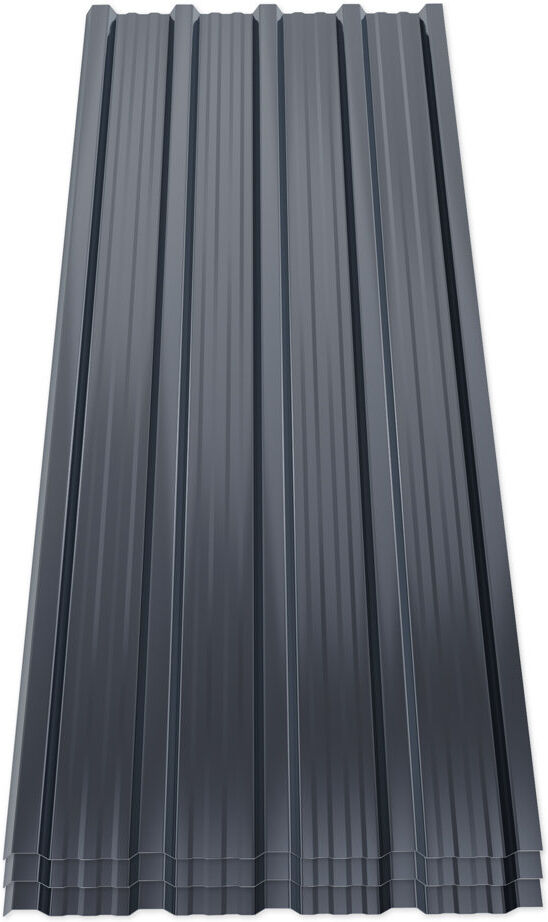
Symple Stuff Metal Roofing KitThis pack of 12 corrugated roof sheets is ideal for all domestic, agricultural, and industrial buildings. The roof sheets are made from rust-proof galvanized metal and have a high load capacity which is perfect for general roofing and walling applications. These roof sheets are 115cm x 45cm in size and 0.3mm in thickness. They are suitable for sheds, workshops, greenhouses, barns, carports, huts, kennels, garages, etc. Note: Please wear gloves when using this product to prevent scratching the fingers. Symple Stuff42,99 £*Shipping: 4,99 £Secure redirect to the provider
-
Dakota Fields Metal Roofing KitAn economical and robust solution for any application, such as sheds, awnings, greenhouses, or garage walls and cladding! The lightweight single-layer roof sheets have no pre-drilled holes, offering flexibility to punch holes for installation according to specific needs, enabling super-fast and easy installation. Dakota Fields59,99 £*Shipping: 0,00 £Secure redirect to the provider
-
Corega Cleansing Tablets Orthodontic and Gutters 36 un.A food supplement. Orthodontic and Drip Cleaning Tablets allow you to eliminate 99.9% of bacteria, while also helping to remove difficult spots and maintain the original color. Its composition is smooth for the material that constitutes the dental gutters and orthodontic appliances, preserving its integrity throughout the uses.8,88 £*Shipping: 5,28 £Secure redirect to the provider



-
What is the difference between serfdom and bondage?
Serfdom and bondage are both forms of unfree labor, but they have different historical and cultural contexts. Serfdom was a system of labor in medieval Europe where peasants were bound to the land and required to work for the lord in exchange for protection and the use of land. Bondage, on the other hand, refers to the condition of being enslaved or held as property, often as a result of being captured in war, being born into slavery, or being sold into slavery. While both serfdom and bondage involve the lack of freedom and autonomy, serfdom was tied to the feudal system in Europe, while bondage has been a more widespread and enduring form of unfree labor throughout history. **
-
What is the difference between serfdom and manorialism?
Serfdom and manorialism are related systems that were prevalent in medieval Europe. Manorialism refers to the economic system where peasants worked on a lord's estate in exchange for protection and the use of land. Serfdom, on the other hand, refers to the legal and social status of the peasants who were bound to the land they worked on and were considered the property of the lord. In essence, manorialism is the economic system, while serfdom is the social and legal status of the peasants within that system. **
-
What is the difference between lordship and serfdom?
Lordship refers to the status of a noble or landowner who has control and authority over a piece of land and the people living on it. Serfdom, on the other hand, refers to the status of a peasant or laborer who is bound to the land they work on and must provide labor and goods to the lord in exchange for protection and the right to live on the land. In essence, lordship represents the ruling class with power and authority, while serfdom represents the laboring class with limited rights and freedoms. **
-
What is the difference between manorialism and serfdom?
Manorialism refers to the economic system in medieval Europe where land was divided into manors controlled by a lord, who provided protection and resources in exchange for labor and goods from the peasants. Serfdom, on the other hand, was the legal and social status of the peasants who worked the land on the manor. Serfs were bound to the land and could not leave without the lord's permission, whereas manorialism refers to the overall system of land ownership and labor relationships. In essence, manorialism was the economic system, while serfdom was the social status of the laborers within that system. **


Can there be forced labor and serfdom in a democratic state? Justification?
Forced labor and serfdom are generally considered incompatible with the principles of democracy, which prioritize individual freedoms and rights. In a democratic state, citizens are expected to have the right to choose their occupation and work conditions freely. Any form of forced labor or serfdom would violate these fundamental principles and would likely face legal challenges and public outcry. Additionally, international human rights standards and conventions prohibit forced labor and slavery, further reinforcing the incompatibility of these practices with a democratic society. **
What were the serfdom conditions in the Ottobeuren Monastery State in the year 1548?
In 1548, the Ottobeuren Monastery State was a feudal society where serfdom conditions were prevalent. Serfs were bound to the land they worked on and were required to provide labor and goods to the monastery in exchange for protection and a place to live. Serfs had limited rights and freedoms, and their lives were heavily controlled by the monastery. They were subject to the authority of the monastery's rulers and had little opportunity for social mobility. **
Top-Angebote
Products related to Serfdom:
-
Labrains Renovation Sculptor Cream 50mLA skin-care product for wrinkles and signs of ageing. This product for all types of aging skin. A rich and delicately scented cream has been developed to deeply moisturize and provide high protection. This c ream not only safeguards the skin and its microbiota but also enhances its natural defense system, minimizing the effects of daily and climate-induced stress.71,66 £*Shipping: 5,28 £Secure redirect to the provider
-
Symple Stuff Metal Roofing KitThis pack of 12 corrugated roof sheets is ideal for all domestic, agricultural, and industrial buildings. The roof sheets are made from rust-proof galvanized metal and have a high load capacity which is perfect for general roofing and walling applications. These roof sheets are 115cm x 45cm in size and 0.3mm in thickness. They are suitable for sheds, workshops, greenhouses, barns, carports, huts, kennels, garages, etc. Note: Please wear gloves when using this product to prevent scratching the fingers. Symple Stuff42,99 £*Shipping: 4,99 £Secure redirect to the provider
-
Dakota Fields Metal Roofing KitAn economical and robust solution for any application, such as sheds, awnings, greenhouses, or garage walls and cladding! The lightweight single-layer roof sheets have no pre-drilled holes, offering flexibility to punch holes for installation according to specific needs, enabling super-fast and easy installation. Dakota Fields59,99 £*Shipping: 0,00 £Secure redirect to the provider
-
What are the peculiarities of serfdom?
Serfdom was a system of labor in which individuals were bound to the land they worked on and were under the control of a lord. Serfs were not slaves, as they had some rights and could not be bought or sold, but they were still subject to the authority of their lord. They were required to provide labor, goods, and services to the lord in exchange for protection and the use of land. Serfdom was a common feature of feudal societies in medieval Europe and persisted in some regions until the 19th century. **
-
Will serfdom be reintroduced in the future?
It is highly unlikely that serfdom will be reintroduced in the future. Serfdom was a system of forced labor and servitude that was abolished in most parts of the world during the 19th century. The modern world operates under principles of human rights, freedom, and equality, making the reintroduction of serfdom incompatible with contemporary values and legal frameworks. Additionally, the global economy and labor market have evolved to rely on different forms of employment and compensation, further diminishing the possibility of a return to serfdom. **
-
What is the difference between serfdom and bondage?
Serfdom and bondage are both forms of unfree labor, but they have different historical and cultural contexts. Serfdom was a system of labor in medieval Europe where peasants were bound to the land and required to work for the lord in exchange for protection and the use of land. Bondage, on the other hand, refers to the condition of being enslaved or held as property, often as a result of being captured in war, being born into slavery, or being sold into slavery. While both serfdom and bondage involve the lack of freedom and autonomy, serfdom was tied to the feudal system in Europe, while bondage has been a more widespread and enduring form of unfree labor throughout history. **
-
What is the difference between serfdom and manorialism?
Serfdom and manorialism are related systems that were prevalent in medieval Europe. Manorialism refers to the economic system where peasants worked on a lord's estate in exchange for protection and the use of land. Serfdom, on the other hand, refers to the legal and social status of the peasants who were bound to the land they worked on and were considered the property of the lord. In essence, manorialism is the economic system, while serfdom is the social and legal status of the peasants within that system. **
Similar search terms for Serfdom
-
Corega Cleansing Tablets Orthodontic and Gutters 36 un.A food supplement. Orthodontic and Drip Cleaning Tablets allow you to eliminate 99.9% of bacteria, while also helping to remove difficult spots and maintain the original color. Its composition is smooth for the material that constitutes the dental gutters and orthodontic appliances, preserving its integrity throughout the uses.8,88 £*Shipping: 5,28 £Secure redirect to the provider
-
Segle Gentle Volcanic Exfoliator Cellular Renovation 50mLA skin-care product for dull skin. From the first application, the gentle volcanic exfoliant improves the appearance of the skin by removing dead cells from the epidermis and excess oil while stimulating cell renewal. This mechanical peeling also brings luminosity to dull or lackluster skin. The skin becomes soft, radiant, and prepared for subsequent treatments.12,17 £*Shipping: 5,28 £Secure redirect to the provider
-
Arena Renovation Pc Steam CD Key GlobalArena Renovation: A Game of Restoration Arena Renovation is a video game where you take on the role of a one-person renovation crew. Your mission? To restore dilapidated sports facilities to their former glory. Restoration Tasks : Engage in a variety of tasks such as painting walls, renovating floors, replacing broken chairs, and repairing electrical wiring. Customization : Fill each arena with hundreds of different items, allowing for a high degree of customization. Skill and Tools : Use different skills and tools to assess and meet the needs of each facility. Challenges : The game offers many challenges that require creativity, manual dexterity, and budget planning.6,46 £*Shipping: 0,00 £Secure redirect to the provider
-
What is the difference between lordship and serfdom?
Lordship refers to the status of a noble or landowner who has control and authority over a piece of land and the people living on it. Serfdom, on the other hand, refers to the status of a peasant or laborer who is bound to the land they work on and must provide labor and goods to the lord in exchange for protection and the right to live on the land. In essence, lordship represents the ruling class with power and authority, while serfdom represents the laboring class with limited rights and freedoms. **
-
What is the difference between manorialism and serfdom?
Manorialism refers to the economic system in medieval Europe where land was divided into manors controlled by a lord, who provided protection and resources in exchange for labor and goods from the peasants. Serfdom, on the other hand, was the legal and social status of the peasants who worked the land on the manor. Serfs were bound to the land and could not leave without the lord's permission, whereas manorialism refers to the overall system of land ownership and labor relationships. In essence, manorialism was the economic system, while serfdom was the social status of the laborers within that system. **
-
Can there be forced labor and serfdom in a democratic state? Justification?
Forced labor and serfdom are generally considered incompatible with the principles of democracy, which prioritize individual freedoms and rights. In a democratic state, citizens are expected to have the right to choose their occupation and work conditions freely. Any form of forced labor or serfdom would violate these fundamental principles and would likely face legal challenges and public outcry. Additionally, international human rights standards and conventions prohibit forced labor and slavery, further reinforcing the incompatibility of these practices with a democratic society. **
-
What were the serfdom conditions in the Ottobeuren Monastery State in the year 1548?
In 1548, the Ottobeuren Monastery State was a feudal society where serfdom conditions were prevalent. Serfs were bound to the land they worked on and were required to provide labor and goods to the monastery in exchange for protection and a place to live. Serfs had limited rights and freedoms, and their lives were heavily controlled by the monastery. They were subject to the authority of the monastery's rulers and had little opportunity for social mobility. **
* All prices are inclusive of VAT and, if applicable, plus shipping costs. The offer information is based on the details provided by the respective shop and is updated through automated processes. Real-time updates do not occur, so deviations can occur in individual cases. ** Note: Parts of this content were created by AI.