Buy dachsanierung.eu ?
We are moving the project
dachsanierung.eu .
Are you interested in purchasing the domain
dachsanierung.eu ?
domain@kv-gmbh.de · 0541-91531010
Buy dachsanierung.eu ?
Which tenses exist in Swiss German that only have two tenses?
In Swiss German, there are two tenses that only have two forms: the present tense and the past tense. The present tense is used to talk about actions happening in the present, while the past tense is used to talk about actions that have already happened. Unlike in Standard German, there is no distinction between the simple past and the present perfect tense in Swiss German. **
Which tenses are related?
The tenses that are related in English are the simple present, simple past, and simple future tenses. These tenses are the basic forms of verb conjugation and are used to express actions or states that occur in the present, past, or future respectively. They are often used as building blocks for more complex tenses and can be combined with auxiliary verbs to convey different shades of meaning. Understanding the relationship between these tenses is essential for mastering English grammar. **
Similar search terms for Tenses
Top-Angebote
Products related to Tenses:
-
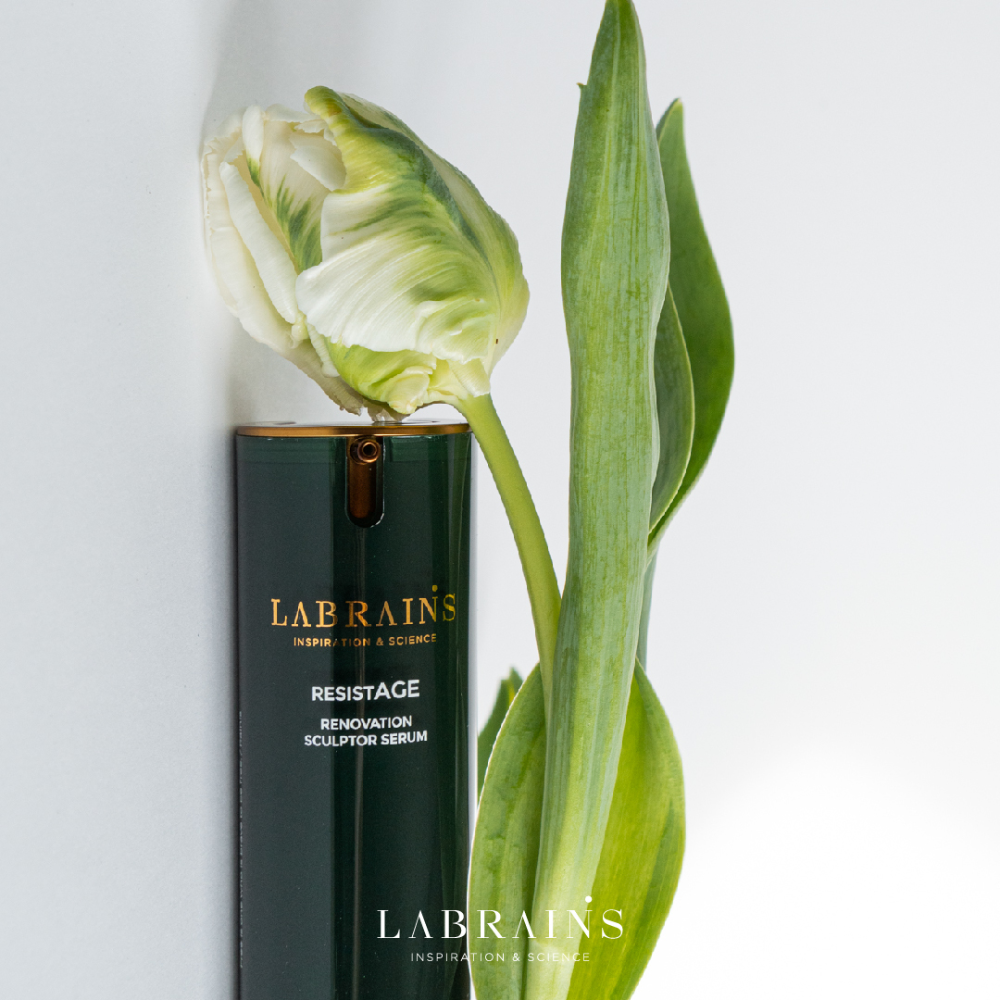
Labrains Renovation Sculptor Cream 50mLA skin-care product for wrinkles and signs of ageing. This product for all types of aging skin. A rich and delicately scented cream has been developed to deeply moisturize and provide high protection. This c ream not only safeguards the skin and its microbiota but also enhances its natural defense system, minimizing the effects of daily and climate-induced stress.70,82 £*Shipping: 5,22 £Secure redirect to the provider
-
Corega Cleansing Tablets Orthodontic and Gutters 36 un.A food supplement. Orthodontic and Drip Cleaning Tablets allow you to eliminate 99.9% of bacteria, while also helping to remove difficult spots and maintain the original color. Its composition is smooth for the material that constitutes the dental gutters and orthodontic appliances, preserving its integrity throughout the uses.8,77 £*Shipping: 5,22 £Secure redirect to the provider



-
Which tenses are there in Swiss German that only have two tenses?
In Swiss German, there are two tenses that only have two forms: present and past. The present tense is used to describe actions happening in the present moment, while the past tense is used to talk about actions that have already occurred. These two tenses are commonly used in everyday conversations in Swiss German. **
-
Which tenses are there in Swiss German that have only two tenses?
In Swiss German, there are two tenses that have only two forms: the present tense and the past tense. The present tense is used to describe actions happening in the present moment, while the past tense is used to talk about actions that have already happened. Unlike Standard German, Swiss German does not have a separate future tense, so speakers use the present tense or auxiliary verbs to indicate future actions. **
-
Which tenses exist in Swiss German where there are only two tenses?
In Swiss German, the two tenses that exist are the present tense and the past tense. The present tense is used to describe actions that are currently happening or habitual actions, while the past tense is used to talk about actions that have already occurred. Swiss German does not have a separate future tense, as the present tense can also be used to express future actions. **
-
Which two tenses are possible?
The two tenses that are possible are the present tense and the past tense. The present tense is used to describe actions that are currently happening or are generally true, while the past tense is used to describe actions that have already occurred. These two tenses allow us to convey different time frames and perspectives in our writing and speech. **

How can one recognize tenses?
One can recognize tenses by looking at the verb in a sentence and identifying the time frame in which the action is taking place. For example, if the verb ends in "-ed" it is likely in the past tense, while if it ends in "-ing" it is likely in the present continuous tense. Additionally, the use of helping verbs such as "will" or "has" can indicate future or present perfect tenses, respectively. Understanding the context of the sentence and the time frame being referred to can also help in recognizing tenses. **
Which tenses must one use?
One must use a variety of tenses in order to accurately convey different points in time and actions. The choice of tense depends on the specific context and the relationship between different events. For example, the present tense is used for current actions or general truths, the past tense is used for completed actions or events, and the future tense is used for actions that will happen at a later time. Additionally, the perfect tenses are used to show actions that are completed or ongoing at a specific point in time. Overall, the selection of tenses is crucial for effectively communicating the timing and sequence of events. **
Top-Angebote
Products related to Tenses:
-
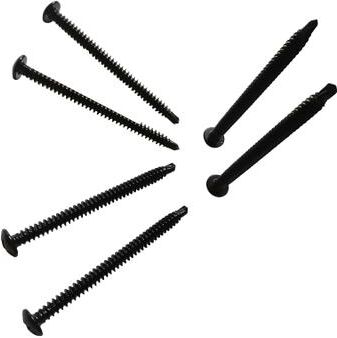
HydroShield Building Products HydroShield Heavy Duty Roofing Insulation Screws #14-2 Inch-Tub of 1 000The HydroShield Heavy Duty Roofing Insulation Screws are self-drilling screws designed to fasten insulation coverboards base sheets and single-ply roof membrane systems. These roof fasteners are available in #14 heavy duty or #15 extra heavy duty...92,26 $*Shipping: 0,00 $Secure redirect to the provider
-
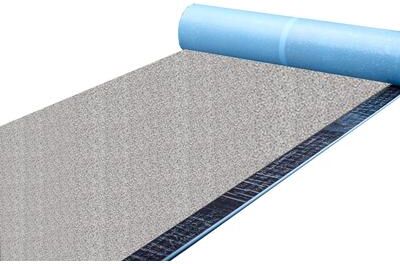
CertainTeed Roofing CertainTeed Flintlastic SA Cap Peel & Stick Roofing White - Single RollThe CertainTeed Flintlastic SA Cap Peel & Stick Roofing Membrane is a premium self-adhering SBS modified bitumen roofing membrane meant for use with most low slope roof systems. This Peel and Stick Cap Roofing is available in 9 different color...182,83 $*Shipping: 0,00 $Secure redirect to the provider
-
Labrains Renovation Sculptor Cream 50mLA skin-care product for wrinkles and signs of ageing. This product for all types of aging skin. A rich and delicately scented cream has been developed to deeply moisturize and provide high protection. This c ream not only safeguards the skin and its microbiota but also enhances its natural defense system, minimizing the effects of daily and climate-induced stress.70,82 £*Shipping: 5,22 £Secure redirect to the provider
-
Which tenses exist in Swiss German that only have two tenses?
In Swiss German, there are two tenses that only have two forms: the present tense and the past tense. The present tense is used to talk about actions happening in the present, while the past tense is used to talk about actions that have already happened. Unlike in Standard German, there is no distinction between the simple past and the present perfect tense in Swiss German. **
-
Which tenses are related?
The tenses that are related in English are the simple present, simple past, and simple future tenses. These tenses are the basic forms of verb conjugation and are used to express actions or states that occur in the present, past, or future respectively. They are often used as building blocks for more complex tenses and can be combined with auxiliary verbs to convey different shades of meaning. Understanding the relationship between these tenses is essential for mastering English grammar. **
-
Which tenses are there in Swiss German that only have two tenses?
In Swiss German, there are two tenses that only have two forms: present and past. The present tense is used to describe actions happening in the present moment, while the past tense is used to talk about actions that have already occurred. These two tenses are commonly used in everyday conversations in Swiss German. **
-
Which tenses are there in Swiss German that have only two tenses?
In Swiss German, there are two tenses that have only two forms: the present tense and the past tense. The present tense is used to describe actions happening in the present moment, while the past tense is used to talk about actions that have already happened. Unlike Standard German, Swiss German does not have a separate future tense, so speakers use the present tense or auxiliary verbs to indicate future actions. **
Similar search terms for Tenses
-
Corega Cleansing Tablets Orthodontic and Gutters 36 un.A food supplement. Orthodontic and Drip Cleaning Tablets allow you to eliminate 99.9% of bacteria, while also helping to remove difficult spots and maintain the original color. Its composition is smooth for the material that constitutes the dental gutters and orthodontic appliances, preserving its integrity throughout the uses.8,77 £*Shipping: 5,22 £Secure redirect to the provider
-
Symple Stuff Metal Roofing KitThis pack of 12 corrugated roof sheets is ideal for all domestic, agricultural, and industrial buildings. The roof sheets are made from rust-proof galvanized metal and have a high load capacity which is perfect for general roofing and walling applications. These roof sheets are 115cm x 45cm in size and 0.3mm in thickness. They are suitable for sheds, workshops, greenhouses, barns, carports, huts, kennels, garages, etc. Note: Please wear gloves when using this product to prevent scratching the fingers. SPECIFICATION Colour: Black Material: Metal, galvanized Dimensions (LxW): 1150mm x 450mm Thickness: 0.3 mm Type: Roofing. SPECIFICATION Colour: Black Material: Metal, galvanized Dimensions (LxW): 1150mm x 450mm Thickness: 0.3 mm Type: Roofing. PACKAGE CONTENT 1 x 12 Roof Sheets. Brand Name: Symple Stuff.46,99 £*Shipping: 4,99 £Secure redirect to the provider
-
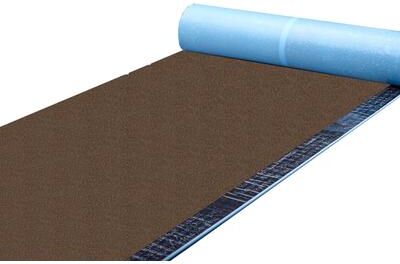
CertainTeed Roofing CertainTeed Flintlastic SA Cap Peel & Stick Roofing Heather Blend - Single RollThe CertainTeed Flintlastic SA Cap Peel & Stick Roofing Membrane is a premium self-adhering SBS modified bitumen roofing membrane meant for use with most low slope roof systems. This Peel and Stick Cap Roofing is available in 9 different color...182,83 $*Shipping: 0,00 $Secure redirect to the provider
-
Which tenses exist in Swiss German where there are only two tenses?
In Swiss German, the two tenses that exist are the present tense and the past tense. The present tense is used to describe actions that are currently happening or habitual actions, while the past tense is used to talk about actions that have already occurred. Swiss German does not have a separate future tense, as the present tense can also be used to express future actions. **
-
Which two tenses are possible?
The two tenses that are possible are the present tense and the past tense. The present tense is used to describe actions that are currently happening or are generally true, while the past tense is used to describe actions that have already occurred. These two tenses allow us to convey different time frames and perspectives in our writing and speech. **
-
How can one recognize tenses?
One can recognize tenses by looking at the verb in a sentence and identifying the time frame in which the action is taking place. For example, if the verb ends in "-ed" it is likely in the past tense, while if it ends in "-ing" it is likely in the present continuous tense. Additionally, the use of helping verbs such as "will" or "has" can indicate future or present perfect tenses, respectively. Understanding the context of the sentence and the time frame being referred to can also help in recognizing tenses. **
-
Which tenses must one use?
One must use a variety of tenses in order to accurately convey different points in time and actions. The choice of tense depends on the specific context and the relationship between different events. For example, the present tense is used for current actions or general truths, the past tense is used for completed actions or events, and the future tense is used for actions that will happen at a later time. Additionally, the perfect tenses are used to show actions that are completed or ongoing at a specific point in time. Overall, the selection of tenses is crucial for effectively communicating the timing and sequence of events. **
* All prices are inclusive of VAT and, if applicable, plus shipping costs. The offer information is based on the details provided by the respective shop and is updated through automated processes. Real-time updates do not occur, so deviations can occur in individual cases. ** Note: Parts of this content were created by AI.