Buy dachsanierung.eu ?
We are moving the project
dachsanierung.eu .
Are you interested in purchasing the domain
dachsanierung.eu ?
domain@kv-gmbh.de · 0541-91531010
Buy dachsanierung.eu ?
Is foam pipe insulation toxic?
Foam pipe insulation is generally considered non-toxic. It is typically made from materials such as polyethylene or polyurethane, which are not known to be harmful to humans. However, it is always important to follow the manufacturer's guidelines for proper installation and use to ensure safety. Additionally, some foam insulation products may contain flame retardants or other additives, so it is best to check the product specifications and safety data sheets for any potential hazards. **
Does acoustic foam provide sound insulation?
Acoustic foam is designed to absorb sound waves and reduce reverberation within a room, but it is not typically used for sound insulation. Sound insulation is the ability to block or reduce the transmission of sound from one space to another, while acoustic foam primarily focuses on improving the quality of sound within a room by reducing echoes and reverberation. To achieve sound insulation, other materials such as mass-loaded vinyl, soundproofing curtains, or acoustic panels with a soundproofing backing are often used in addition to acoustic foam. **
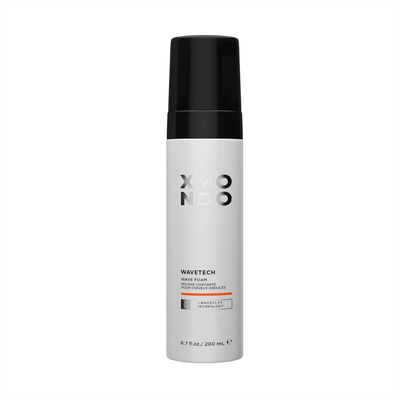

Similar search terms for XMONDO-Wave-Foam
Top-Angebote
Products related to XMONDO-Wave-Foam:


-
Is smooth foam sufficient for sound insulation?
Smooth foam alone is not sufficient for sound insulation. While smooth foam can help absorb some sound, it is not dense enough to effectively block or reduce the transmission of sound. To achieve proper sound insulation, it is important to use materials that are specifically designed for soundproofing, such as acoustic foam panels, soundproofing insulation, or mass-loaded vinyl. These materials are denser and more effective at reducing the transmission of sound. **
-
How can one treat wood with foam insulation?
To treat wood with foam insulation, you can use spray foam insulation to fill in any gaps or cracks in the wood. First, clean the surface of the wood to remove any dirt or debris. Then, apply the foam insulation by spraying it into the gaps and allowing it to expand and harden. Once the foam insulation has dried, you can trim off any excess and sand it down to create a smooth surface. This will help to seal and insulate the wood, protecting it from moisture and temperature changes. **
-
'Foam or no foam?'
It depends on the specific application. Foam can provide cushioning and protection in packaging and insulation, while also adding comfort and support in products like mattresses and pillows. However, in some cases, foam may not be necessary or desirable, such as in certain types of insulation or packaging where other materials may be more suitable. Ultimately, the decision of foam or no foam depends on the specific requirements and intended use of the product. **
-
Which foam panels are suitable for soundproofing and acoustic insulation?
Foam panels made of materials like acoustic foam, melamine foam, or polyurethane foam are suitable for soundproofing and acoustic insulation. These materials are designed to absorb sound waves and reduce noise levels in a space. Acoustic foam panels are commonly used in recording studios, home theaters, and other spaces where sound quality is important. Melamine foam panels are also effective for soundproofing and are often used in industrial settings. Polyurethane foam panels are versatile and can be used for both soundproofing and thermal insulation. **

How bad is it that my dog ate foam insulation?
It is concerning that your dog ate foam insulation as it can be harmful to their health. Foam insulation can cause gastrointestinal blockages or irritation if ingested by dogs. It is important to monitor your dog for any signs of distress such as vomiting, diarrhea, lethargy, or loss of appetite. It is recommended to contact your veterinarian for further guidance on how to proceed. **
Which foam panels are suitable for sound and acoustic insulation?
Foam panels made of materials such as polyurethane, polyethylene, and melamine are commonly used for sound and acoustic insulation. These materials have sound-absorbing properties that help reduce noise levels by absorbing and dampening sound waves. Additionally, foam panels with a higher density and thickness are more effective at blocking and absorbing sound, making them suitable for applications where noise reduction is a priority. It is important to choose foam panels specifically designed for sound insulation to achieve optimal results. **
Top-Angebote
Products related to XMONDO-Wave-Foam:
-
XMONDO Extra Hold Wave FoamGet ready for a new level of hold with Wavetech Extra. This foam, designed with Waveflex Technology™, delivers sexy and defined waves that last longer than ever before. Create the perfect natural look with ease using this iconic foam with extra hold.28,99 $*Shipping: 0,00 $Secure redirect to the provider
-
Is foam pipe insulation toxic?
Foam pipe insulation is generally considered non-toxic. It is typically made from materials such as polyethylene or polyurethane, which are not known to be harmful to humans. However, it is always important to follow the manufacturer's guidelines for proper installation and use to ensure safety. Additionally, some foam insulation products may contain flame retardants or other additives, so it is best to check the product specifications and safety data sheets for any potential hazards. **
-
Does acoustic foam provide sound insulation?
Acoustic foam is designed to absorb sound waves and reduce reverberation within a room, but it is not typically used for sound insulation. Sound insulation is the ability to block or reduce the transmission of sound from one space to another, while acoustic foam primarily focuses on improving the quality of sound within a room by reducing echoes and reverberation. To achieve sound insulation, other materials such as mass-loaded vinyl, soundproofing curtains, or acoustic panels with a soundproofing backing are often used in addition to acoustic foam. **
-
Is smooth foam sufficient for sound insulation?
Smooth foam alone is not sufficient for sound insulation. While smooth foam can help absorb some sound, it is not dense enough to effectively block or reduce the transmission of sound. To achieve proper sound insulation, it is important to use materials that are specifically designed for soundproofing, such as acoustic foam panels, soundproofing insulation, or mass-loaded vinyl. These materials are denser and more effective at reducing the transmission of sound. **
-
How can one treat wood with foam insulation?
To treat wood with foam insulation, you can use spray foam insulation to fill in any gaps or cracks in the wood. First, clean the surface of the wood to remove any dirt or debris. Then, apply the foam insulation by spraying it into the gaps and allowing it to expand and harden. Once the foam insulation has dried, you can trim off any excess and sand it down to create a smooth surface. This will help to seal and insulate the wood, protecting it from moisture and temperature changes. **
Similar search terms for XMONDO-Wave-Foam
-
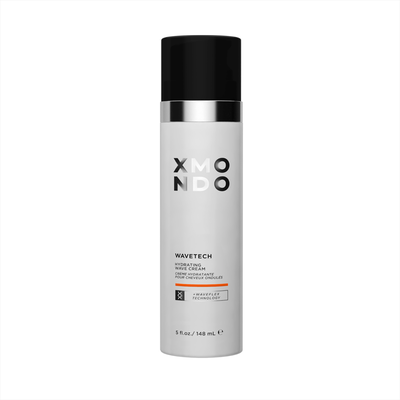
XMONDO Dual-Acting Wave MaskA wave-boosting deep conditioning treatment that visibly restores the hair’s natural wave pattern and provides deep moisturizing nourishment.Designed with hyaluronic acid and Waveflex Technology™ to promote hydrated, bouncy, and frizz-free waves.27,99 $*Shipping: 0,00 $Secure redirect to the provider
-
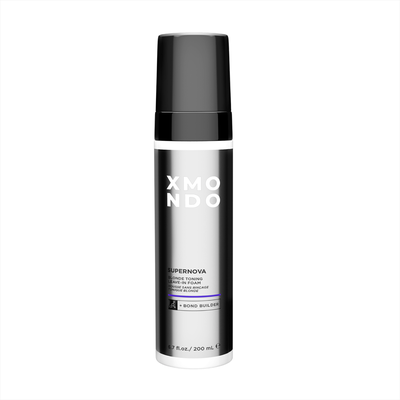
XMONDO Blonde Toning Leave-In FoamA blonde-toning foam designed with a unique super blend of pigments to reduce unwanted yellow tones on blonde or highlighted hair. Infused with Bond Booster and Jojoba Oil to promote stronger, healthier looking strands.28,99 $*Shipping: 0,00 $Secure redirect to the provider
-
'Foam or no foam?'
It depends on the specific application. Foam can provide cushioning and protection in packaging and insulation, while also adding comfort and support in products like mattresses and pillows. However, in some cases, foam may not be necessary or desirable, such as in certain types of insulation or packaging where other materials may be more suitable. Ultimately, the decision of foam or no foam depends on the specific requirements and intended use of the product. **
-
Which foam panels are suitable for soundproofing and acoustic insulation?
Foam panels made of materials like acoustic foam, melamine foam, or polyurethane foam are suitable for soundproofing and acoustic insulation. These materials are designed to absorb sound waves and reduce noise levels in a space. Acoustic foam panels are commonly used in recording studios, home theaters, and other spaces where sound quality is important. Melamine foam panels are also effective for soundproofing and are often used in industrial settings. Polyurethane foam panels are versatile and can be used for both soundproofing and thermal insulation. **
-
How bad is it that my dog ate foam insulation?
It is concerning that your dog ate foam insulation as it can be harmful to their health. Foam insulation can cause gastrointestinal blockages or irritation if ingested by dogs. It is important to monitor your dog for any signs of distress such as vomiting, diarrhea, lethargy, or loss of appetite. It is recommended to contact your veterinarian for further guidance on how to proceed. **
-
Which foam panels are suitable for sound and acoustic insulation?
Foam panels made of materials such as polyurethane, polyethylene, and melamine are commonly used for sound and acoustic insulation. These materials have sound-absorbing properties that help reduce noise levels by absorbing and dampening sound waves. Additionally, foam panels with a higher density and thickness are more effective at blocking and absorbing sound, making them suitable for applications where noise reduction is a priority. It is important to choose foam panels specifically designed for sound insulation to achieve optimal results. **
* All prices are inclusive of VAT and, if applicable, plus shipping costs. The offer information is based on the details provided by the respective shop and is updated through automated processes. Real-time updates do not occur, so deviations can occur in individual cases. ** Note: Parts of this content were created by AI.