Buy dachsanierung.eu ?
We are moving the project
dachsanierung.eu .
Are you interested in purchasing the domain
dachsanierung.eu ?
domain@kv-gmbh.de · 0541-91531010
Buy dachsanierung.eu ?
Can sodium carbonate expire?
Sodium carbonate, also known as soda ash or washing soda, does not have an expiration date. It is a stable compound that does not degrade over time. As long as it is stored in a cool, dry place and kept away from moisture, sodium carbonate can be used indefinitely for various household and industrial purposes. **
Is lithium carbonate corrosive?
Lithium carbonate is not considered corrosive. It is a stable compound that is commonly used in the treatment of bipolar disorder and depression. However, like any chemical substance, it should be handled with care and stored properly to avoid any potential hazards. **
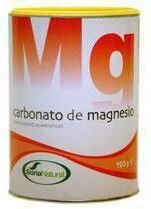
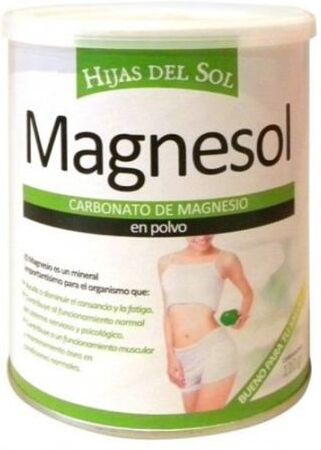
Similar search terms for Carbonate
Top-Angebote
Products related to Carbonate:
-
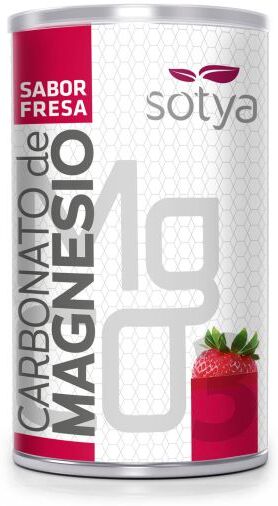
Sotya Magnesium Carbonate Strawberry FlavorNutrition and Supplements Vitamins and minerals Sotya Magnesium Carbonate Strawberry Flavor Benefits: Recommended complementary food in cases of: • Acidity • Mild constipation • Alcoholism (alcohol abuse increases the loss of magnesium and hinders its absorption) Properties: A magnesium carbonate supplement has three main functions: to act as a gastric antacid, in sufficient quantities, to have an osmotic laxative effect without contraindications, and to provide magnesium naturally. In the stomach, it acts as a local antacid, behaving as a base and thus neutralizing hydrochloric acid. Its effects are slow but prolonged, and, precisely because it is not a very strong alkaloid, there is no risk of alkalosis, nor does it hinder proteolytic digestion. In the intestine, and in sufficient quantities, it acts as a mild laxative, transforming previously in the stomach into magnesium chloride, non-absorbable salt, which, by osmosis, improves intestinal transit. As a contribution of magnesium, the intestine produces the release of magnesium ions, which are absorbed by the intestinal wall and pass into the blood. Magnesium is a cation that acts, mainly, in bones. It is beneficial for bones since it is necessary for the absorption of calcium. How to use : Take 2-3 tablespoons a day, between meals. Side effects / contraindications: In case of serious injuries of the liver cells.4,99 £*Shipping: 3,99 £Secure redirect to the provider
-
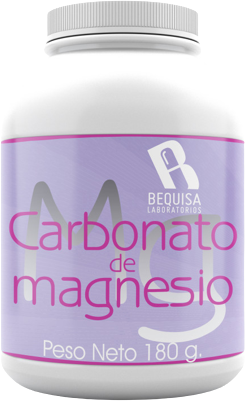
Bequisa Magnesium Carbonate 180 grNutrition and Supplements Vitamins and minerals Bequisa Magnesium Carbonate 180 gr What is Bequisa Magnesium Carbonate 180 gr? Bequisa Magnesium Carbonate 180 gr is a powdered food supplement that provides a natural source of magnesium, an essential mineral for numerous biological functions in the body. Magnesium carbonate is known for its digestive and mild laxative properties, as well as being essential for the proper functioning of the nervous, muscular and bone systems. This product is ideal for those looking to improve their general health, relieve occasional constipation or cover possible magnesium deficiencies in the diet. Benefits of Bequisa Magnesium Carbonate 180 gr Bequisa Magnesium Carbonate offers a wide variety of health benefits: Improves digestion : It acts as a mild natural laxative, facilitating intestinal transit and relieving occasional constipation without being aggressive to the digestive system. Nervous system support : Magnesium is key to regulating nervous system functions, helping to reduce stress and anxiety, and promoting restful sleep. Muscle and bone health : Contributes to the proper functioning of muscles and bone formation, helping to prevent muscle cramps and weakness. Electrolyte balance : Magnesium is essential for maintaining electrolyte balance in the body, improving hydration and physical performance. Supports cardiovascular health : Helps regulate blood pressure and maintain a healthy heart rate, reducing the risk of cardiovascular problems. Who is Bequisa Magnesium Carbonate 180 gr for? This product is ideal for: Magnesium deficient people : If your diet does not provide you with enough magnesium, this supplement can help you meet your daily needs. Those looking to improve digestion : If you suffer from occasional constipation or mild digestive problems, magnesium carbonate can act as a mild, natural laxative. Athletes and active people : Those who exercise regularly can benefit from magnesium to prevent cramps and improve muscle performance. People with stress or insomnia : Magnesium is known for its calming properties, helping to reduce stress and improve sleep quality. Older Adults : As we age, magnesium needs may increase. This supplement is an effective option to ensure adequate levels of this essential mineral. How do I apply it? Bequisa Magnesium Carbonate 180 gr is very easy to use. Follow these simple steps: Recommended dosage : Dissolve 1 teaspoon (approximately 2.5 grams) in a glass of water or juice, preferably after a meal. Mix well : Make sure the powder dissolves completely before consuming. Frequency : May be taken once daily or as recommended by a healthcare professional, depending on your personal needs. Regular consumption : It is recommended to use it daily to maintain a constant supply of magnesium in your body, especially if you have a deficiency or practice sports. Product Usage Bequisa Magnesium Carbonate 180 gr is a versatile supplement that can be easily incorporated into your...5,03 £*Shipping: 3,99 £Secure redirect to the provider
-
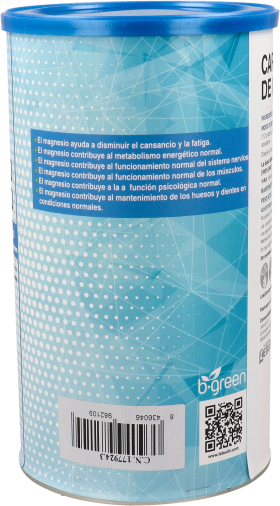
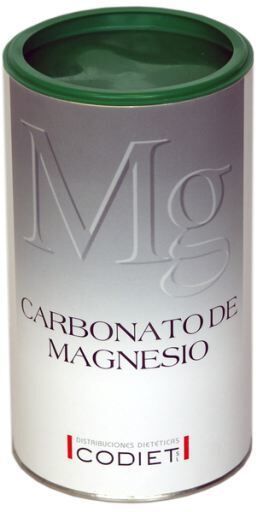
Codiet Magnesium carbonate 200 grNutrition and Supplements Vitamins and minerals Codiet Magnesium carbonate 200 gr Helps reduce fatigue and fatigue, electrolyte balance contributes to normal energy metabolism and the normal function of bones, teeth and muscles.8,39 £*Shipping: 3,99 £Secure redirect to the provider
-
Why are lithium salts easily soluble in ethylene carbonate and diethyl carbonate?
Lithium salts are easily soluble in ethylene carbonate and diethyl carbonate because these solvents have a high dielectric constant and good solvating properties. This means that they are able to effectively dissolve and stabilize the lithium ions, allowing for the formation of a stable solution. Additionally, the relatively small size of the lithium ion allows it to be easily accommodated within the molecular structure of these solvents, further enhancing their solubility. Overall, the combination of high dielectric constant and good solvating properties makes ethylene carbonate and diethyl carbonate ideal solvents for dissolving lithium salts. **
-
What is the difference between the carbonate ion and the hydrogen carbonate ion?
The carbonate ion (CO3^2-) has a charge of -2 and consists of three oxygen atoms bonded to a central carbon atom. In contrast, the hydrogen carbonate ion (HCO3^-) has a charge of -1 and consists of one hydrogen atom, one carbon atom, and three oxygen atoms. The hydrogen carbonate ion is derived from the carbonate ion by the addition of a hydrogen ion, making it a conjugate acid of the carbonate ion. **
-
Does chalk contain calcium carbonate?
Yes, chalk does contain calcium carbonate. In fact, calcium carbonate is the main component of chalk, making up about 90-95% of its composition. This is why chalk is often used in classrooms and for drawing, as it provides a smooth and easily erasable surface due to its calcium carbonate content. **
-
How is copper carbonate produced?
Copper carbonate is produced by reacting copper(II) sulfate with sodium carbonate. The two compounds are mixed together in a solution, and a chemical reaction occurs, resulting in the formation of copper carbonate as a solid precipitate. The copper carbonate can then be filtered and dried to obtain the final product. This process is commonly used in laboratory settings to produce copper carbonate for various applications. **

How is carbonate bauxite formed?
Carbonate bauxite is formed through the weathering and leaching of aluminum-rich rocks such as granite, syenite, and basalt. This process involves the breakdown of aluminum-bearing minerals, such as feldspar, under tropical or subtropical conditions. The aluminum is then carried by water and deposited in a new location, where it undergoes further chemical reactions to form carbonate bauxite. This type of bauxite is typically found in areas with high rainfall and warm temperatures, such as parts of the Caribbean and West Africa. **
How is sodium carbonate disposed of?
Sodium carbonate can be disposed of by diluting it with water and then pouring it down the drain. It can also be neutralized with an acid, such as hydrochloric acid, and then disposed of as regular waste. However, it is important to check local regulations and guidelines for proper disposal methods, as some areas may have specific requirements for the disposal of sodium carbonate. **
Top-Angebote
Products related to Carbonate:
-
Alecosor Magnesium carbonateNutrition and Supplements Vitamins and minerals Alecosor Magnesium carbonate Magnesium carbonate besides being an important natural source of magnesium is able to mask the sour taste of some fruit juice (lemon, grapefruit and orange). Instructions for use: Dissolve 2 tablespoons in half a glass of water or juice and drink after making digestion and before bedtime. Content: 150g3,52 £*Shipping: 3,99 £Secure redirect to the provider
-
Sotya Magnesium Carbonate Strawberry FlavorNutrition and Supplements Vitamins and minerals Sotya Magnesium Carbonate Strawberry Flavor Benefits: Recommended complementary food in cases of: • Acidity • Mild constipation • Alcoholism (alcohol abuse increases the loss of magnesium and hinders its absorption) Properties: A magnesium carbonate supplement has three main functions: to act as a gastric antacid, in sufficient quantities, to have an osmotic laxative effect without contraindications, and to provide magnesium naturally. In the stomach, it acts as a local antacid, behaving as a base and thus neutralizing hydrochloric acid. Its effects are slow but prolonged, and, precisely because it is not a very strong alkaloid, there is no risk of alkalosis, nor does it hinder proteolytic digestion. In the intestine, and in sufficient quantities, it acts as a mild laxative, transforming previously in the stomach into magnesium chloride, non-absorbable salt, which, by osmosis, improves intestinal transit. As a contribution of magnesium, the intestine produces the release of magnesium ions, which are absorbed by the intestinal wall and pass into the blood. Magnesium is a cation that acts, mainly, in bones. It is beneficial for bones since it is necessary for the absorption of calcium. How to use : Take 2-3 tablespoons a day, between meals. Side effects / contraindications: In case of serious injuries of the liver cells.4,99 £*Shipping: 3,99 £Secure redirect to the provider
-
Bequisa Magnesium Carbonate 180 grNutrition and Supplements Vitamins and minerals Bequisa Magnesium Carbonate 180 gr What is Bequisa Magnesium Carbonate 180 gr? Bequisa Magnesium Carbonate 180 gr is a powdered food supplement that provides a natural source of magnesium, an essential mineral for numerous biological functions in the body. Magnesium carbonate is known for its digestive and mild laxative properties, as well as being essential for the proper functioning of the nervous, muscular and bone systems. This product is ideal for those looking to improve their general health, relieve occasional constipation or cover possible magnesium deficiencies in the diet. Benefits of Bequisa Magnesium Carbonate 180 gr Bequisa Magnesium Carbonate offers a wide variety of health benefits: Improves digestion : It acts as a mild natural laxative, facilitating intestinal transit and relieving occasional constipation without being aggressive to the digestive system. Nervous system support : Magnesium is key to regulating nervous system functions, helping to reduce stress and anxiety, and promoting restful sleep. Muscle and bone health : Contributes to the proper functioning of muscles and bone formation, helping to prevent muscle cramps and weakness. Electrolyte balance : Magnesium is essential for maintaining electrolyte balance in the body, improving hydration and physical performance. Supports cardiovascular health : Helps regulate blood pressure and maintain a healthy heart rate, reducing the risk of cardiovascular problems. Who is Bequisa Magnesium Carbonate 180 gr for? This product is ideal for: Magnesium deficient people : If your diet does not provide you with enough magnesium, this supplement can help you meet your daily needs. Those looking to improve digestion : If you suffer from occasional constipation or mild digestive problems, magnesium carbonate can act as a mild, natural laxative. Athletes and active people : Those who exercise regularly can benefit from magnesium to prevent cramps and improve muscle performance. People with stress or insomnia : Magnesium is known for its calming properties, helping to reduce stress and improve sleep quality. Older Adults : As we age, magnesium needs may increase. This supplement is an effective option to ensure adequate levels of this essential mineral. How do I apply it? Bequisa Magnesium Carbonate 180 gr is very easy to use. Follow these simple steps: Recommended dosage : Dissolve 1 teaspoon (approximately 2.5 grams) in a glass of water or juice, preferably after a meal. Mix well : Make sure the powder dissolves completely before consuming. Frequency : May be taken once daily or as recommended by a healthcare professional, depending on your personal needs. Regular consumption : It is recommended to use it daily to maintain a constant supply of magnesium in your body, especially if you have a deficiency or practice sports. Product Usage Bequisa Magnesium Carbonate 180 gr is a versatile supplement that can be easily incorporated into your...5,03 £*Shipping: 3,99 £Secure redirect to the provider
-
Can sodium carbonate expire?
Sodium carbonate, also known as soda ash or washing soda, does not have an expiration date. It is a stable compound that does not degrade over time. As long as it is stored in a cool, dry place and kept away from moisture, sodium carbonate can be used indefinitely for various household and industrial purposes. **
-
Is lithium carbonate corrosive?
Lithium carbonate is not considered corrosive. It is a stable compound that is commonly used in the treatment of bipolar disorder and depression. However, like any chemical substance, it should be handled with care and stored properly to avoid any potential hazards. **
-
Why are lithium salts easily soluble in ethylene carbonate and diethyl carbonate?
Lithium salts are easily soluble in ethylene carbonate and diethyl carbonate because these solvents have a high dielectric constant and good solvating properties. This means that they are able to effectively dissolve and stabilize the lithium ions, allowing for the formation of a stable solution. Additionally, the relatively small size of the lithium ion allows it to be easily accommodated within the molecular structure of these solvents, further enhancing their solubility. Overall, the combination of high dielectric constant and good solvating properties makes ethylene carbonate and diethyl carbonate ideal solvents for dissolving lithium salts. **
-
What is the difference between the carbonate ion and the hydrogen carbonate ion?
The carbonate ion (CO3^2-) has a charge of -2 and consists of three oxygen atoms bonded to a central carbon atom. In contrast, the hydrogen carbonate ion (HCO3^-) has a charge of -1 and consists of one hydrogen atom, one carbon atom, and three oxygen atoms. The hydrogen carbonate ion is derived from the carbonate ion by the addition of a hydrogen ion, making it a conjugate acid of the carbonate ion. **
Similar search terms for Carbonate
-
Codiet Magnesium carbonate 200 grNutrition and Supplements Vitamins and minerals Codiet Magnesium carbonate 200 gr Helps reduce fatigue and fatigue, electrolyte balance contributes to normal energy metabolism and the normal function of bones, teeth and muscles.8,39 £*Shipping: 3,99 £Secure redirect to the provider
-
PlantaPol Magnepol Magnesium Carbonate 140 grNutrition and Supplements Vitamins and minerals PlantaPol Magnepol Magnesium Carbonate 140 gr Magnesium contribution. How to use: Dissolve a tablespoon of coffee in half a glass of water or juice, and drink after digesting the food.4,66 £*Shipping: 3,99 £Secure redirect to the provider
-
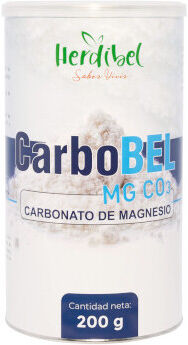
Herdibel Carbobel Magnesium Carbonate 200 grNutrition and Supplements Vitamins and minerals Herdibel Carbobel Magnesium Carbonate 200 gr Magnesium contributes to normal muscle function, psychological function and normal protein synthesis. It also helps maintain bones and teeth in normal conditions. It has a moderate laxative effect. Helps reduce tiredness and fatigue. Contributes to the protection of cells against oxidative damage. suitable for vegetarians7,01 £*Shipping: 3,99 £Secure redirect to the provider
-
Does chalk contain calcium carbonate?
Yes, chalk does contain calcium carbonate. In fact, calcium carbonate is the main component of chalk, making up about 90-95% of its composition. This is why chalk is often used in classrooms and for drawing, as it provides a smooth and easily erasable surface due to its calcium carbonate content. **
-
How is copper carbonate produced?
Copper carbonate is produced by reacting copper(II) sulfate with sodium carbonate. The two compounds are mixed together in a solution, and a chemical reaction occurs, resulting in the formation of copper carbonate as a solid precipitate. The copper carbonate can then be filtered and dried to obtain the final product. This process is commonly used in laboratory settings to produce copper carbonate for various applications. **
-
How is carbonate bauxite formed?
Carbonate bauxite is formed through the weathering and leaching of aluminum-rich rocks such as granite, syenite, and basalt. This process involves the breakdown of aluminum-bearing minerals, such as feldspar, under tropical or subtropical conditions. The aluminum is then carried by water and deposited in a new location, where it undergoes further chemical reactions to form carbonate bauxite. This type of bauxite is typically found in areas with high rainfall and warm temperatures, such as parts of the Caribbean and West Africa. **
-
How is sodium carbonate disposed of?
Sodium carbonate can be disposed of by diluting it with water and then pouring it down the drain. It can also be neutralized with an acid, such as hydrochloric acid, and then disposed of as regular waste. However, it is important to check local regulations and guidelines for proper disposal methods, as some areas may have specific requirements for the disposal of sodium carbonate. **
* All prices are inclusive of VAT and, if applicable, plus shipping costs. The offer information is based on the details provided by the respective shop and is updated through automated processes. Real-time updates do not occur, so deviations can occur in individual cases. ** Note: Parts of this content were created by AI.